

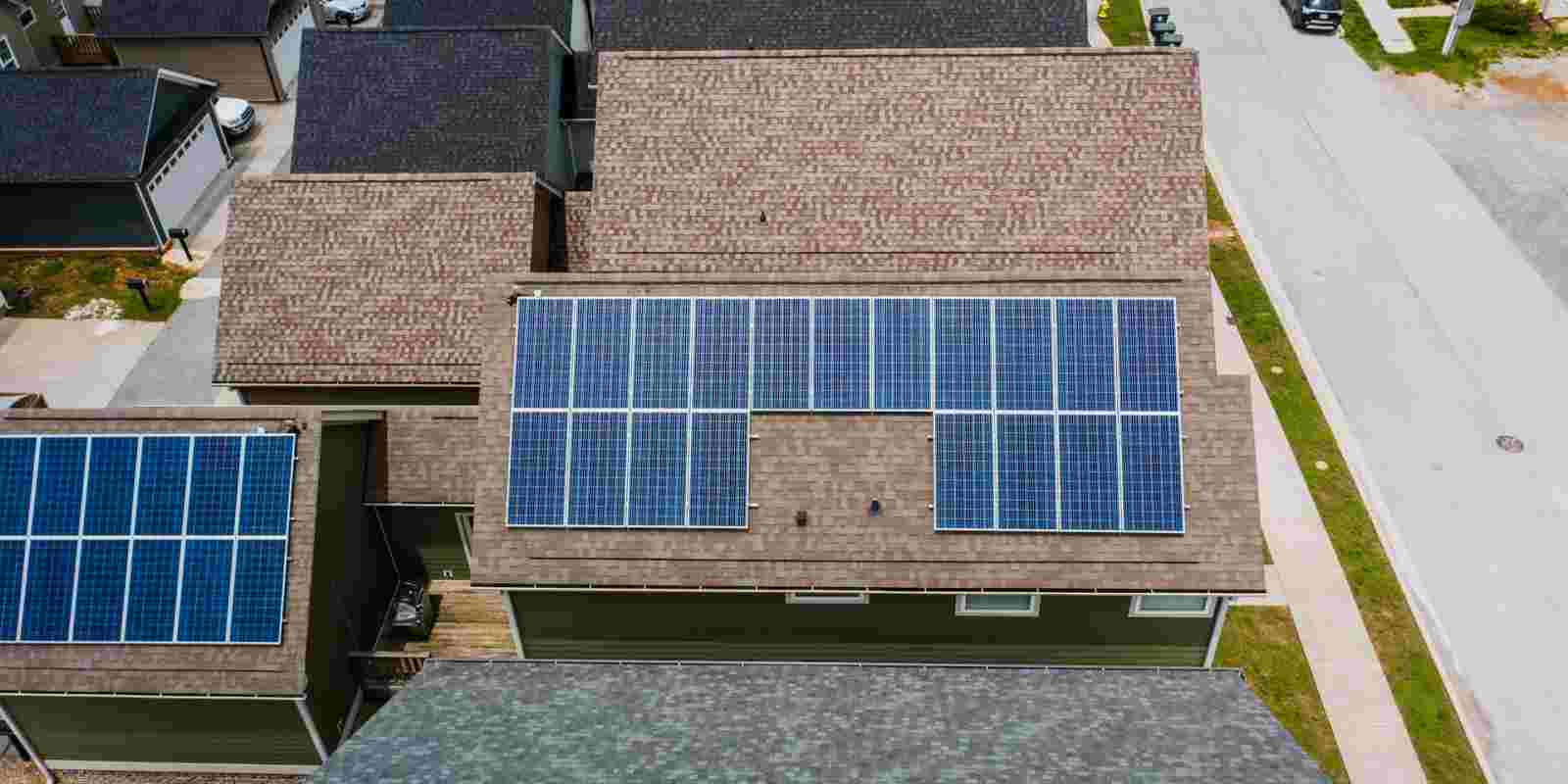

New buildings can be designed to take full advantage of solar installations by matching the structural capacity and roof orientation to the new array’s needs. However, most property owners looking into solar panels don’t have this luxury. Instead, they need to adapt their existing building infrastructure to their new installation. Depending on how the building was constructed, the condition of its roof, its electrical capacity, and more, solar integration can be a complicated process.
Home and business owners in Maryland considering adding solar to their existing buildings’ infrastructure need to know how weight capacity, condition, and more will impact their decisions. The size, type, and orientation of the new solar array need to match these conditions, and local solar providers can offer experienced energy advice and instant estimates to help property owners meet their goals for solar integration. This guide walks through the core steps for planning solar integration in 2026 and beyond.
Step #1: Assess the Existing Infrastructure
Before installing a new solar array, the building’s structural and electrical systems need to be assessed, both for viability and compatibility. This means reviewing several factors, including:
- Roof strength and orientation, to assess panel safety and determine the maximum system weight that the structure can support
- Shading, to predict the system’s potential power-generating capacity or seasonal changes
- Electrical load capacity, to determine whether the building will require an energy upgrade before proceeding with the installation
- Rooftop equipment placement, including HVAC systems, to determine the usable area for new panels
Some buildings are not ready for solar power, or the construction may limit the capacity they can withstand. These factors should be reviewed before purchasing the solar panels.
Essential Takeaway
Existing buildings may be too old to withstand solar arrays, but nearly any building can be strategically updated to improve solar viability.
Step #2: Compare the Compatibility of Solar Array Design Options
When assessing the structure’s compatibility, multiple factors should be considered to determine the most effective solar integration type. Owners can choose between 4 types of systems:
- Rooftop: The most common type of array is mounted to flat or angled roofs.
- Building-integrated Photovoltaic (BIPV): These solar panels are integrated directly into roof materials, saving space.
- Hybrid: These systems can combine rooftop solar panels and battery storage systems.
- Ground: Buildings with large plots of land and small usable rooftop areas can consider ground systems to meet their needs.
Photovoltaic systems are being deployed at record-breaking rates. As of 2023, nearly half of all solar battery capacity was stored by hybrid PV systems, making them a more significant option for owners each year.
Essential Takeaway
Each type of solar array is more viable for a different kind of structure. Speak to a local solar provider to learn more about which installation makes sense for your existing infrastructure.
Step #3: Upgrade Electrical Infrastructure
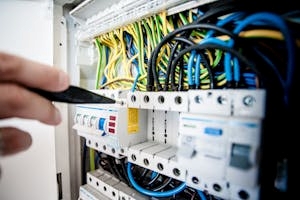
In many homes, especially older ones, the electrical infrastructure may not support a new solar installation. Upgrading to a modern level of construction compliance and performance may require upfront effort and cost to address several factors, such as:
- Updating service panels and breakers
- Installing net metering connections
- Checking compliance with the National Electrical Code (NEC)
- Verifying compliance with local permitting requirements
- Incorporating energy usage tracking systems
Essential Takeaway
Solar panels alone cannot always upgrade a building to modern solar power generation. Old or non-compliant electrical systems need to be updated to establish safety, compliance, and the capacity for performance monitoring.
Step #4: Consider Architectural Constraints
Structural constraints may prevent the integration of solar panels without strategic changes. For example, the roof may need a load-bearing assessment to determine if reinforcement or replacement is necessary before solar integration. This is especially significant for old homes, which often have outdated or weakened roofing materials.
High-visibility buildings may also need modifications to make the solar array more aesthetically pleasing. Especially for historic homes, visibility may be a primary concern. Rooftop additions may also require specific changes based on local building and zoning codes.
Check with your local zoning or permitting office in Maryland to verify the changes required.
Essential Takeaway
Solar retrofits require a combination of strategic design choices, especially when the architecture needs to be preserved or worked around to accommodate the panels.
Step #5: Monitor Regulations and Incentives

Each area has its own permits, policies, and incentives that should be accounted for during the solar integration process. Local interconnection standards, subject to permit requirements, may change the installation timeline or the structural changes needed to comply with local rules.
Additionally, federal and state tax incentives may specify specific types, locations, or sizes of installations. Preparing for these on-paper requirements can make the integration process smoother, while maintaining eligibility for local benefits to keep energy costs down.
Essential Takeaway
Successful solar integration requires approval from multiple agencies. Building owners should consult local solar providers to learn more about the requirements in their area.
Experienced Solar Installers Help Property Owners Integrate New Installations
At Energy Select, our team of experienced local installers helps building owners in Maryland integrate new solar installations with their existing infrastructure. We account for the architecture, electrical systems, roof age and condition, and local zoning laws to make sure the solar array you select is both compliant and ideal for your situation. We offer instant solar estimates to give owners all the information they need to weigh their options, as well as follow-ups through our relationship management team and dedicated app to continue monitoring and supporting your new system.
Contact us today to learn more about solar integration and how our team can help get your building into the 21st century with state-of-the-art solar panels at a price you can afford.