Commercial building owners switching to solar recognize the potential benefits and costs of updating their infrastructure, but they may be wondering how to act on them. A thorough Maryland solar site assessment can provide peace of mind by revealing issues that can cause delays, cost increases, or device incompatibility.
These assessments allow business owners to maximize their return on investment with solar panels to make sure they fit the needs of their building, budget, and long-term power goals. The earlier these factors can be identified and addressed, the easier it will be for Maryland business owners to upgrade their facility’s power generation capabilities to modern, energy-efficient standards.
| In This Article: The reader will gain knowledge of the solar site assessment process, giving owners and managers a clear idea of what they can expect and how to prepare their sites for a smoother assessment process. |
What is a Commercial Solar Site Assessment?
A solar site assessment is a thorough evaluation of a business’s compatibility with solar installations. These assessments should be personalized for individual businesses and buildings, but they generally include:
- Energy consumption reading
- Roof space assessment
- Structural integrity inspection
- Infrastructure evaluation
- Shading evaluation
- System placement planning
- Financial projection
- Regulatory assessment
The goal of a solar site assessment is to begin matching the business to the solar panel type, design, and orientation that make the most sense for its infrastructure and energy goals. Local Maryland regulations also factor into the assessment since business and facility owners must predict potential compliance issues before they become production issues.
Essential Point – An assessment allows an experienced local solar team to customize its installation proposal by evaluating the individual business’s layout.
Solar Site Assessment Factors
Thorough site assessments prepare businesses for the solar generation process by evaluating their compatibility with various types of installations. Below, we break down each step of the process in more detail so business owners know what to expect.
Energy Consumption Reading
The assessment team will review the site’s electricity usage over time to identify its needs and usage trends, including peak demand readings. This allows the solar installer to match the array size to the business’s production needs and to begin a preliminary financial benefits analysis.
Roof Space Assessment

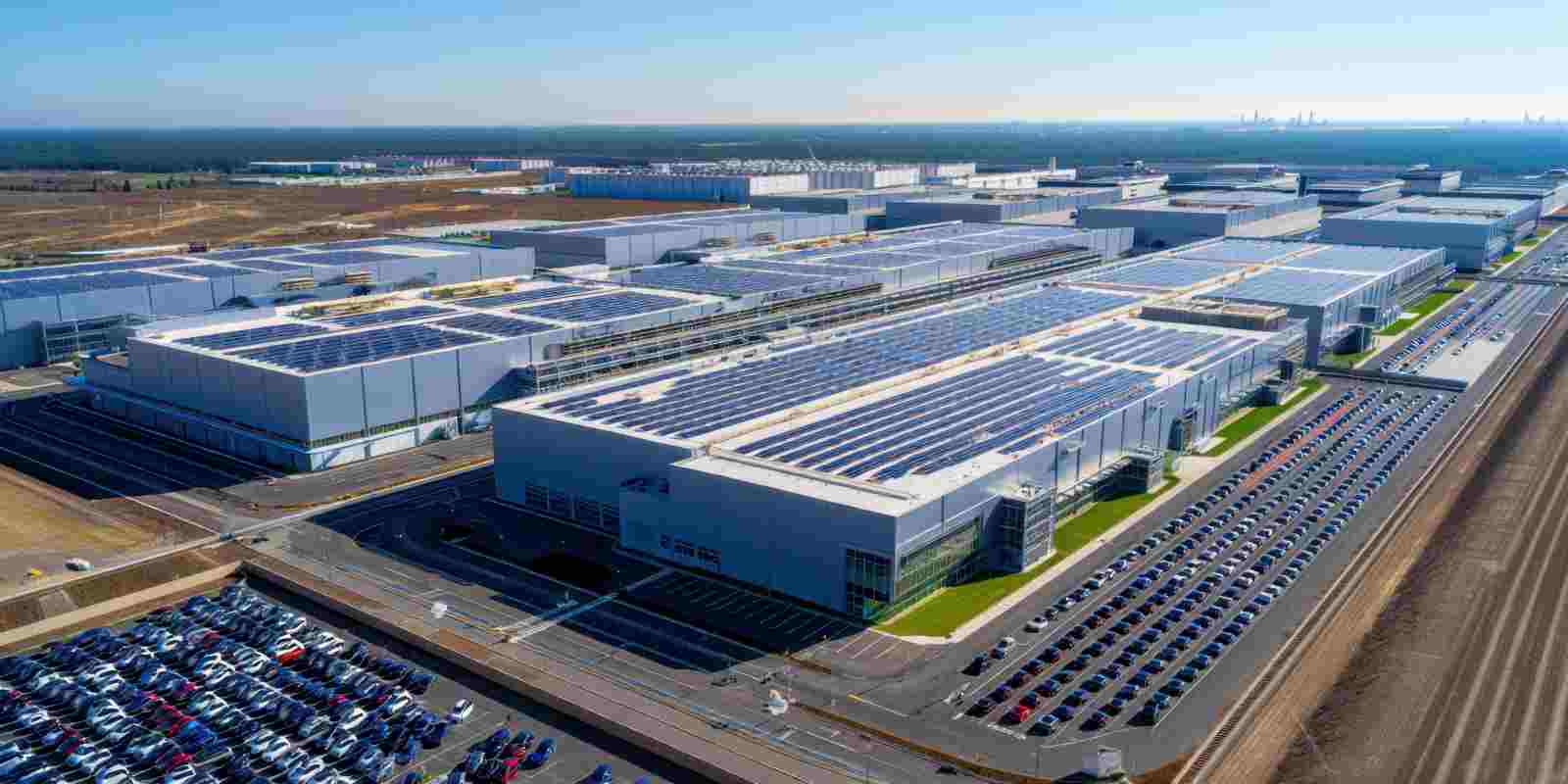
The available roof surface needs to be evaluated for its structural integrity and available space, including its layout and weight capacity. Solar panel arrays weigh hundreds of pounds, depending on the materials used and the size of the installation. Roof assessments are essential for historic buildings.
Infrastructure Evaluation
In addition to the physical structure, the building’s current system infrastructure, including electrical systems, needs to be evaluated for compatibility. This includes the building’s panel capacity, available breaker space, and potential access points. Failing to evaluate the infrastructure before the installation process can result in costly delays.
Shading Evaluation
The level of shading on the roof from trees or structures can obstruct the solar panels and reduce their efficiency. Tree trimming or possible site reassessments may be needed before installation begins.
System Placement Planning
The size, position, and layout of the system will impact its efficiency. Solar installers will evaluate the accessibility of the planned installation site while offering potential alternatives to maximize energy production and device compatibility.
Financial Projection
Solar site assessments include financial projections to help business owners contextualize their investment in terms of real-world ROI timelines, incentives, and potential savings. Solar installers may present multiple material or system options, depending on site compatibility, to provide a clear long-term value assessment of the installation choices.
Regulatory Assessment
Maryland regulations, including building codes, zoning laws, and utility restrictions, can determine the viability of a solar installation. Solar installers should be familiar with these codes and clarify their impact on the project to the business owner.
Goals Assessment
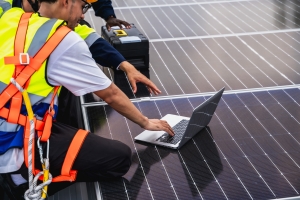
The final step in the site evaluation is to make sure the business owner’s goals are met. Different businesses will have different timelines for their expected ROI, energy needs, and environmental goals. For example, companies that value sustainability more, due to personal values or regulatory requirements, may require a more aggressive timeline.
Essential Takeaway – The ultimate goal of a solar assessment is to match the solar panels to the owner’s needs and to create a schedule that aligns with their energy goals moving forward.
Experienced Solar Installers Will Match the Installation to Your Facility’s Needs
The site assessment and solar panel installation processes can be complicated and overwhelming for business owners seeking to align their return timeline with their current energy needs, regulatory requirements, and infrastructure limitations. At Energy Select, our team of inspectors and installers recognizes these challenges and focuses on providing personalized solar installation plans based on your business’s goals.
Our Maryland installers can provide instant solar panel estimates to make sure you and your team have transparent budgeting information throughout the process. Contact our team today and schedule an on-site assessment to learn how customized solar panel arrays can meet your energy needs moving forward.