The rural energy transition is a natural evolution of the shift toward more sustainable power sources such as solar energy. As more companies transition their utilities to solar power, rural areas provide the land and other resources necessary for a full energy transition. The management of these resources is essential to developing well-rounded solar deployment strategies in states such as Maryland, which have both urban and rural developments to consider.
Local solar companies play a valuable role in supporting this transition and reshaping the potential of rural areas to provide enough energy resources to help the state reach full sustainability. This article goes into detail about the ways that local solar companies support their state’s energy transition and what that means for Maryland residents, both those who have solar installations and those who plan to upgrade in the future.
What is the Solar Market in Maryland?
Maryland is a state which has placed itself at the forefront of the national energy transition. Mandates such as the Renewable Portfolio Standard (RPS) aim to have 14.5% of the state’s electricity sourced from solar sources by 2030. Legislation in Maryland creates opportunities for property owners and utility providers to spur this transition, such as the Solar Renewable Energy Credit (SREC) market, which works in tandem with the RPS to meet statewide goals.
SRECs are units of energy generated by compliant solar installations, which can be resold to utility providers to meet sustainability standards. This is just one moving part of the solar carve-out in Maryland, which requires providers and property owners to work together to make a full transition. As demand for sustainable power grows, compliant residential solar installations will continue to be a central part of the state’s transition to decarbonized, sustainable energy.
Read More: The state of Maryland offers several incentives for property owners to save money on their solar installations to help the state meet its sustainability goals. The Maryland Solar Access Program(MSAP) for homeowners and the Commercial and Canopy Solar Program(CCSP) for business owners are important resources for property owners assessing their potential solar benefits in Maryland.
What is the Rural Energy Transition?
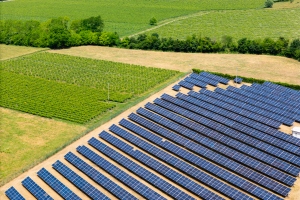
Rural areas play an essential role in providing the land and resources that providers need to transition Maryland to more sustainable energy sources. Yet, these areas present distinct challenges since their energy infrastructure often remains focused on traditional energy sources, including diesel fuel, firewood, and on-grid power. Reducing pollution and achieving statewide sustainability requires strategic deployment in these areas, acknowledging both the technological and socio-economic drawbacks of the process.
Most rural energy transitions do not start with major facilities such as solar parks or large-scale projects. Rather, residential grids provide the momentum needed to motivate the area’s transition toward sustainability through individual demonstrations of its safety and value. Starting with large-scale projects inevitably leads to conflict over the impact of solar installations on farmland ecology and the future of traditional agricultural techniques, whereas starting with individual homesteads usually results in a smoother transition.
Backed by property owners’ experiences, the rural energy transition can gain momentum. Individuals recognize the economic opportunities of solar power, including energy stability in an age when traditional energy equipment is expensive to maintain and replace. A smooth transition requires a firm grasp of the needs and concerns of rural areas without losing sight of the broader goal: energy sustainability in the state’s most widespread areas.
How Local Solar Companies Can Help
Local solar companies provide on-site solar assessments that customize the solar deployment plan to the individual property’s needs. For rural home and business owners, this presents significant advantages, since their provider will have hands-on experience with the regulations, weather patterns, and material suppliers in their state.
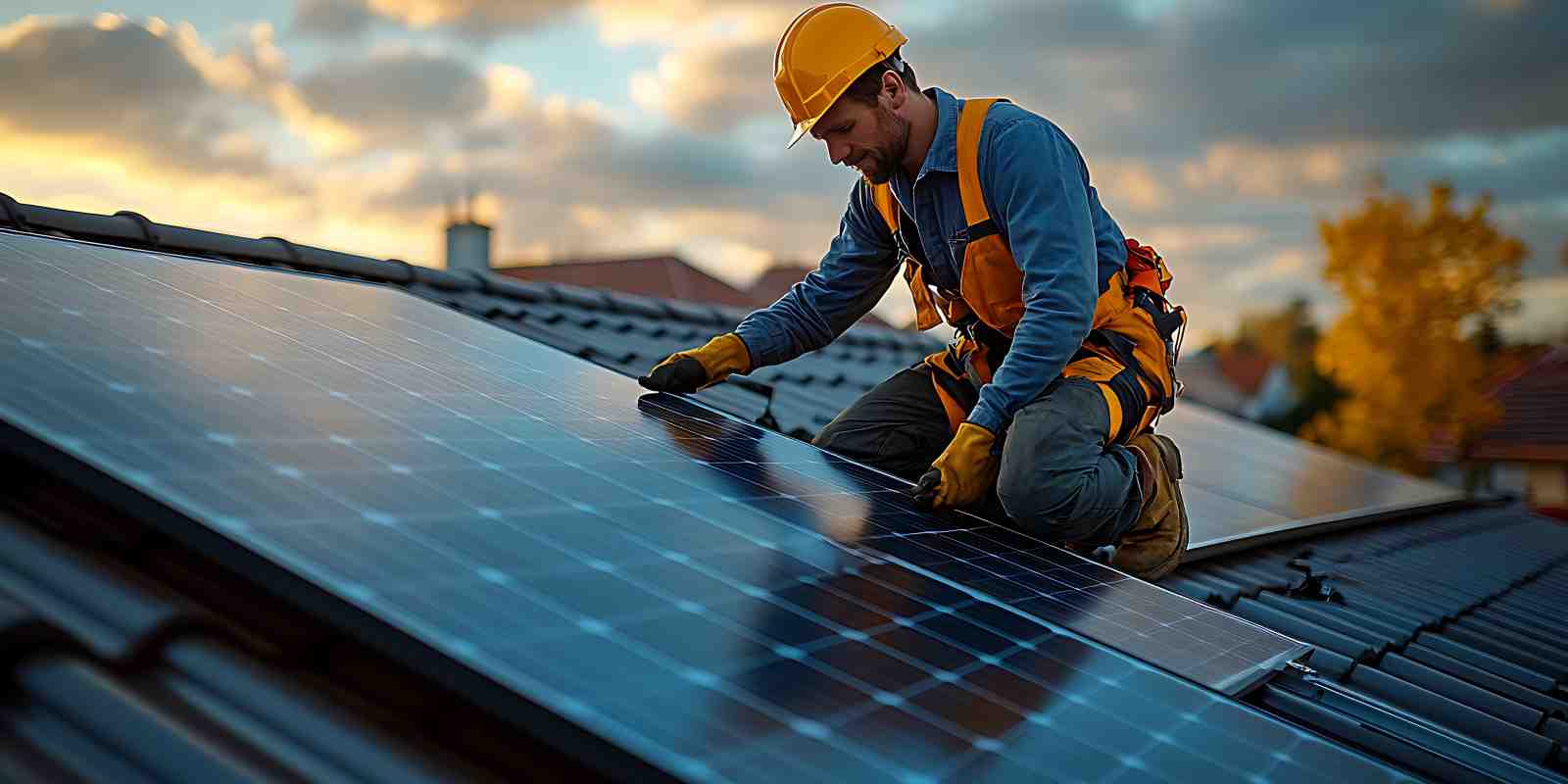
During an on-site assessment, a local solar provider can examine the property and determine the best array type, including ground-based, roof-based, and canopy-based systems. To use roof-based systems as an example, they will then examine the structure and create a site assessment based on the roof’s age and condition, the ideal materials for the array, and the orientation of that specific location.
This helps rural home and business owners plan their financial investments in solar power and observe its potential benefits. As residential solar becomes more prevalent, its large-scale benefits become more apparent, including its potential for dual land use. This refers to when land used for agricultural purposes, such as grazing, farming, or beekeeping, also houses solar sites on a rotational basis, creating jobs and aiding statewide sustainability goals.
Local solar companies provide an invaluable resource to rural property owners seeking to supplement or replace traditional energy sources with sustainable solar power.
Local Solar Companies Offer Customized Services to Rural Property Owners
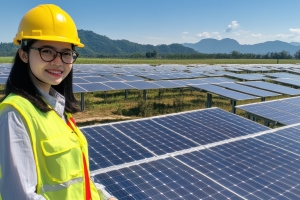
At Energy Select, our team customizes solar energy solutions to the property’s needs and the financial goals of property owners. This includes providing personalized on-site solar assessments, instant price quotes, system design planning, and individual long-term customer support. Our goal is to help rural property owners make confident decisions aligned with their land’s goals.
Contact our team today to schedule an on-site solar assessment and receive same-day pricing information, learn how a solar array can benefit your property, and support the rural energy transition in Maryland.