
Solar panels can help homeowners save significantly to offset steadily rising energy prices. This is one reason why so many homes and neighborhoods in Maryland are reducing their dependence on conventional electricity in favor of solar panels. However, Maryland winters last more than 3 months, often leaving snow on the ground until March. Many homeowners wonder whether winter weather will prevent their solar arrays from operating optimally and how this will affect the break-even time for their solar investment.
Covered in This Blog:
Learn why solar panels continue working in the winter months, including why panels often get a boost in efficiency when the temperature drops. The right solar installation can empower homeowners to support their power needs, even during the winter months, without switching back to on-grid power.
The Science of Solar Power Technology
To understand why solar panels still work in the winter, homeowners need to know a little about how they function in the first place. Solar panels require sunlight, not heat. A photovoltaic (PV) solar panel converts sunlight into energy by activating electrons in the solar cells. In other words, when sunlight hits the solar cells, it frees up tiny particles inside the semiconductor material and sets them in motion. That movement becomes clean, usable electricity for the home. The more sunlight the panels can capture, the more power they produce.
Homeowners are often surprised to learn that solar panels actually perform more efficiently when the temperature drops. Sunlight is what creates power, not heat, and cooler air helps the panels operate at a higher voltage. That means they can turn more of the sun’s energy into electricity for your home, especially on sunny, bright days.
Essential Takeaway
When it comes to technology, modern solar cells are more efficient at generating and transferring power at colder temperatures, debunking the myth that solar arrays “don’t work during winter.”
Factors to Consider When Using Solar Power During the Winter
Though modern solar technology allows solar cells to work as efficiently, or even more efficiently, in colder temperatures, other aspects of winter can affect the numbers homeowners see. Experienced installers review these factors during their initial solar assessment to offer the best course of action for the property, depending on its location and needs.
The Impact of Snow
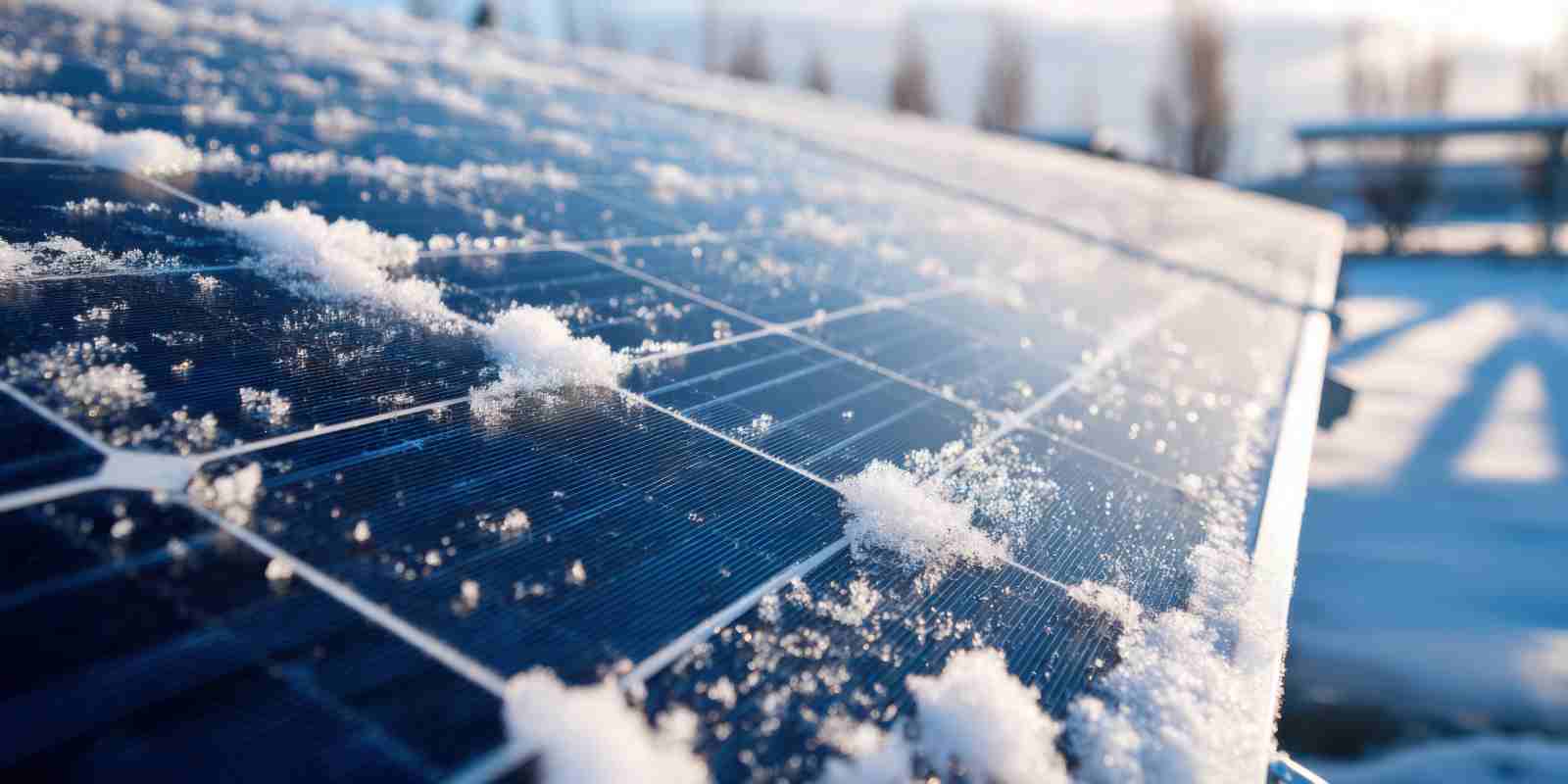
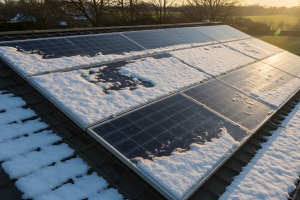
While colder temperatures can increase PV cell efficiency, snow cover can reduce the amount of light the panels can absorb. Yet shoveling or wiping solar panels would risk damaging them. To compensate, solar installers angle the array toward the best orientation for the property’s location to capture the most heat. For most homeowners in Maryland, the ideal orientation is a South-facing array angled at 30-40 degrees.
With proper orientation, solar panels can heat up more quickly, helping snow slide off. As a potential bonus, snow beneath a solar panel can increase the amount of sunlight reflected from the ground, boosting the panel’s output.
The Impact of Cloud Coverage
Many homeowners see an overcast day, especially during the winter months, and assume that their solar panels will stop working. While this is not true, the impact of clouds should be clearly recognized to plan accordingly.
On overcast days, solar panels are still capturing sunlight diffused through the clouds, assuring that generation is never “zero,” even on dark winter days. This can reduce the array’s output, but certain panel types perform better in overcast conditions, such as microinverters, which operate at lower current.
However, these panels are expensive, and most homeowners do not need an expensive upgrade to account for the winter months. Instead, many use battery backups to help their arrays store power generated during the peak summer months for winter use. This helps reduce their dependence on on-grid power during the winter months without requiring more expensive inverters or materials.
The Impact of Shade
Shade coverage is a core consideration for solar panel installers, as blocking direct sunlight reduces the amount of power the panels can produce. During the winter months, shade cover can change due to factors such as snowfall and ice formations. Without careful planning, increased shade coverage can impact the array’s production levels.
In-depth solar site assessments take seasonal changes into consideration, planning the location, layout, and angle of the array to best suit the property year-round. One advantage of hiring local solar installers is their experience with local weather patterns, which allows them to customize solar installations to your property’s needs without guesswork.
Local Installers Help Homeowners Plan Their Solar Installations
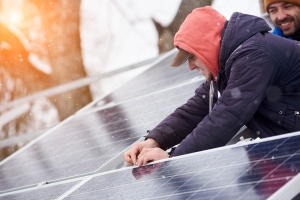
At Energy Select, our team of local installers plans solar installations based on in-depth site assessments. We offer same-day pricing information to help homeowners make informed decisions about their property’s energy needs. If seasonal changes are a concern, our team can help plan the specifics to establish that your array operates at peak efficiency year-round.
Contact our team today to schedule an assessment and learn how solar power can reduce your energy bills, even in the winter months.