What You Will Learn: This guide explains how solar panel systems are sized according to a homeowner’s needs, including their budget, power consumption, and property layout. We’ll review:
|
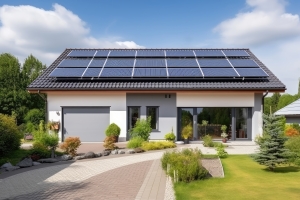
Solar panel systems provide Maryland homeowners with numerous benefits by offsetting conventional electricity production with a less expensive, more sustainable alternative. However, many homeowners wonder what solar system size they need to maximize their benefits. Varying properties, budgets, and financial situations suggest different strategies, which can be challenging to plan without experienced help.
As a current or future Maryland homeowner, you can use this guide to make more informed decisions about your solar system size to maximize your energy investment potential.
How Much Power Does Your Maryland Home Need?
Correctly sizing a solar panel system begins with accurately assessing your home’s monthly electricity needs. On average, Maryland residents use 1,489 kWh of electricity per month. However, the price of this electricity per kWh depends on numerous factors, including the provider’s rates. Below is a table showing typical rates of providers in Spring of 2026:
| Provider | Rate per kWh |
| BGE | 23.10 cents |
| PEPCO | 23.13 cents |
| SMECO | 18.72 cents |
| Delmarva | 15.62 cents |
Note: These rates change monthly, as providers may change prices to keep pace with rising inflation or material costs. The volatility of on-grid electricity prices is one reason why so many homeowners are switching to solar power.
At these posted rates, the average Maryland homeowner will spend approximately $232-$344 per month on the baseline electricity cost; however, their total power bill may be even higher. Extra fees and delivery charges add up, pushing the average Maryland resident’s monthly bill to around $268.
Essential Takeaway
Every homeowner’s situation is different, but these figures provide a basic energy profile of the average Maryland resident’s home energy use, including the amount of power their solar panel arrays will need to keep the home off the grid.
Factors That Determine Solar Panel System Size
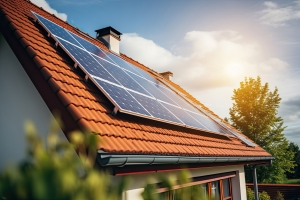
Aside from household electricity consumption, solar panel system size requirements depend on several factors, which experienced solar installers will evaluate during an on-site solar assessment to determine the right system size for the home.
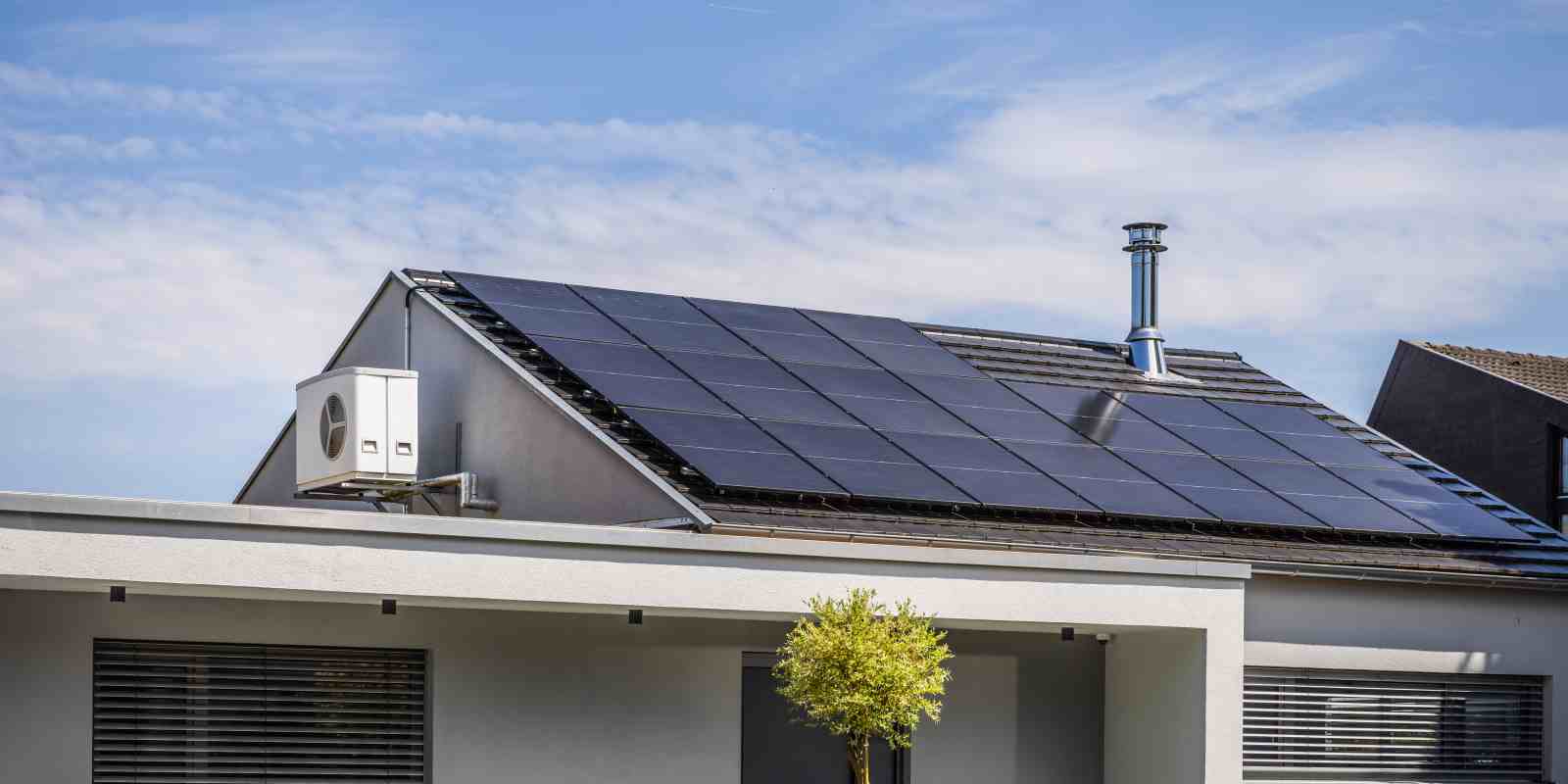
- Roof Space: Non-conventional roof structures may limit the available space for a solar panel installation, regardless of other considerations. Irregular roof geometry, limited access, or roof structures such as chimneys and vents can make installing larger solar arrays more difficult or expensive.
- Sun Exposure: Solar installations with less sun exposure may need to be larger to achieve the required power generation. Shade coverage can affect this requirement, which may change depending on nearby trees and structures and seasonal conditions.
- Panel Efficiency: Different panel types are rated for different levels of power efficiency, which can change the system size that a homeowner needs to achieve the desired output. Monocrystalline panels are the most expensive but also the most efficient, while thin-film and polycrystalline arrays are less efficient but smaller and cheaper.
- Budget: The homeowner’s budget impacts the array they should consider, but the relationship between size and price is not always linear. Depending on the materials used, the installation difficulty, and the power requirements, homeowners may need to adjust their budget or seek one of Maryland’s many state-sponsored incentives to help pay for their arrays.
Common Solar Panel System Sizes in Maryland
Common solar panel system sizes range from 6 kW to 20 kW. The larger systems produce more electricity than the average Maryland homeowner uses per year, but this power should not go to waste. Solar arrays equipped with battery backups can store excess power during periods when seasonal weather patterns reduce solar system efficiency. This allows homeowners to take advantage of their solar investment without falling back on expensive on-grid electricity.
The solar renewable energy credit (SREC) market provides another source of support for homeowners who plan on investing in large solar systems. This program allows homeowners to earn credits for the extra electricity they generate and sell them through a solar broker to help utility providers meet their sustainability standards. Net metering allows Maryland providers to monitor energy production and credit homeowners for the extra power they send to the grid, helping them break even on their solar investment more quickly.
Note: There is no limit to the number of solar credits that homeowners can claim, but there is a 2 MW limit on net metering for individual systems. Ask your solar provider about the maximum size your property and budget can handle and how net metering can impact your breakeven timeline.
Local Solar Installers Help Homeowners Create Customized Plans
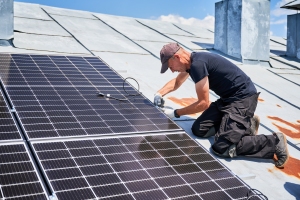
Our experienced team of installers at Energy Select understands the challenges of choosing the right solar system size for homes in Maryland. Based on our detailed on-site assessment, you’ll be able to choose the best system for your situation. Our system size calculator will evaluate your requirements and match the material, orientation, and power capacity to your needs.
Contact our team today to learn more about solar panel system planning in Maryland and how to choose the right residential system size for your needs.