
| In This Guide: Learn how lifetime ROI works for solar panel systems, how Maryland homeowners can maximize their returns, and what incentives are available to improve their payback timelines. |
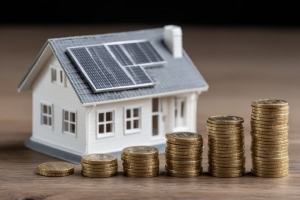
Solar panels can help homeowners save money on rising electricity bills, but that’s not their only benefit. In addition to monthly savings, solar panel systems also provide a lifetime return on investment (ROI), which is the homeowner’s long-term net savings after installation, incentives, maintenance, financing, and other costs. This ROI is not a simple payback formula; it represents the long-term financial value to homeowners who can make the most of their solar panels.
What Is the Lifetime ROI of a Solar System?
The lifetime ROI can be defined simply using this formula:
(Lifetime benefits – Lifetime costs) / Lifetime costs = ROI
The answer will be a ratio showing the total return. For example, if a solar system costs $40,000 over its lifetime and yields $90,000 in benefits, the ROI would be (90,000 – 40,000) / 40,000, or 1.25, which is 125%.
The total costs and benefits will differ in every situation. Evaluate each ROI factor before investing to make sure the long-term savings are worth the costs.
What Is the Upfront Cost of a Solar Panel System?
The first factor influencing lifetime ROI is the initial cost of installing solar panels. Before incentives, the average solar panel system size in Maryland (13.86 kW as of April 2026) costs an average of $2.64/W, including installation, equating to around $36,600, on average, for the whole system.
However, the financing method homeowners choose will affect the availability of incentives and the value of their solar system. A solar lease provides the lowest upfront cost and the least access to incentives, since a third party owns the solar panel system instead of the homeowner. Likewise, cash purchases have the highest upfront cost but the highest lifetime ROI, since homeowners will own the system outright and access all available incentives.
| Financing Method | Upfront Cost | Incentives | Ownership | Lifetime ROI |
| Solar Loan | Mid | High | High | High |
| Solar Lease | Low | Lowest | Lowest (3rd party) | Lowest |
| Paid Purchase agreement (PPA) | Lowest | Mid | Mid (3rd party) | Low |
| Cash Purchase | Highest | Highest | Highest | Highest |
Pro Tip: Every situation is different. Speak with your solar panel provider about the financing options available for your budget and solar panel type.
Other Home Factors That Influence Lifetime ROI
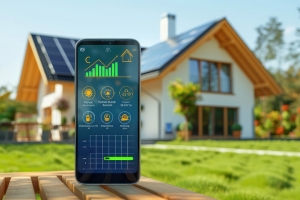
In addition to the financing method, these factors influence the long-term costs and savings that homeowners can expect:
Energy Usage: The more energy the home uses, the more energy costs can be offset by the solar panel system. By contrast, homes with lower electricity needs may have a lower lifetime ROI projection since their savings will offset the upfront installation costs more slowly.
Pro Tip: Review 12 months of electricity bills to assess the home’s energy usage needs and gauge the ROI projection.
System Size: Larger systems can produce more power, but they also cost more to install and maintain. The maximum lifetime ROI for each situation will depend on the property’s needs. For example, oversized systems may produce too much electricity for the home to use, while undersized systems may underutilize utility savings and incentives.
Electricity Rates: Electricity rates rise each year, increasing the savings homeowners can achieve on their bills and the projected ROI of their solar system. From February 2025 to 2026, residential electricity in Maryland increased from 18.3 cents/kWh to 20.08 cents/kWh, which is an increase of around 10%. As electricity continues to increase, current ROI projections will become outdated, and homeowners with solar systems will continue to increase their savings. In contrast, those relying on the grid will continue to pay more per month.
What Incentives Are Available to Maryland Homeowners?
In addition to home and system factors, Maryland homeowners can access state and federal incentives when they install residential solar systems:
Maryland Incentives: Maryland offers the Maryland Solar Access Program (MSAP) to homeowners. Though FY26 applications have closed, it is anticipated that FY27 applications will open in Summer 2026. This program allows eligible homeowners to access budgeted funds for solar initiatives based on their household size, income, solar system type, and other factors.
Net Metering Programs: Maryland is one of the few states with a dedicated solar carve-out, which includes net metering for eligible solar customers. This system allows homeowners to earn credits for the excess energy their systems produce and send back to utility providers. These Solar Renewable Energy Credits (SRECs) can then be sold by a solar broker on a dedicated market, opening another revenue stream for homeowners and increasing their lifetime ROI.
Note on Federal Incentives: The Residential Clean Energy Credit ended on December 31, 2025, so homeowners rely mostly on state-sponsored credits to increase the ROI of their solar investment. Maryland homeowners installing solar in 2026 cannot claim the 30% federal credit.
Local Solar Installers Can Help You Optimize Your Solar Investment
At Energy Select, our team of local installers helps homeowners in Maryland maximize ROI on their solar investment by conducting on-site solar assessments and providing detailed solar proposals customized to each property. Our team offers same-day pricing for solar installations to help you project your ROI and manage your solar investment with clarity.
Contact our team today to learn more about the lifetime ROI of solar system investments in Maryland and how you can optimize your solar panel purchase in 2026 and beyond.