| In This Article: Learn how solar panels help Maryland homeowners reduce rising energy costs. Explore the savings, incentives, and long-term benefits of switching to solar, as well as tips for homeowners still considering whether a solar upgrade is worth the initial investment. |
For the last few years, many Maryland homeowners have looked at each new monthly bill with nervous anticipation. Due to inflation, rising infrastructure costs, and planned rate hikes by some of the most prominent utility providers, electricity bills in Maryland have become significant rising expenses that many homeowners can no longer ignore.
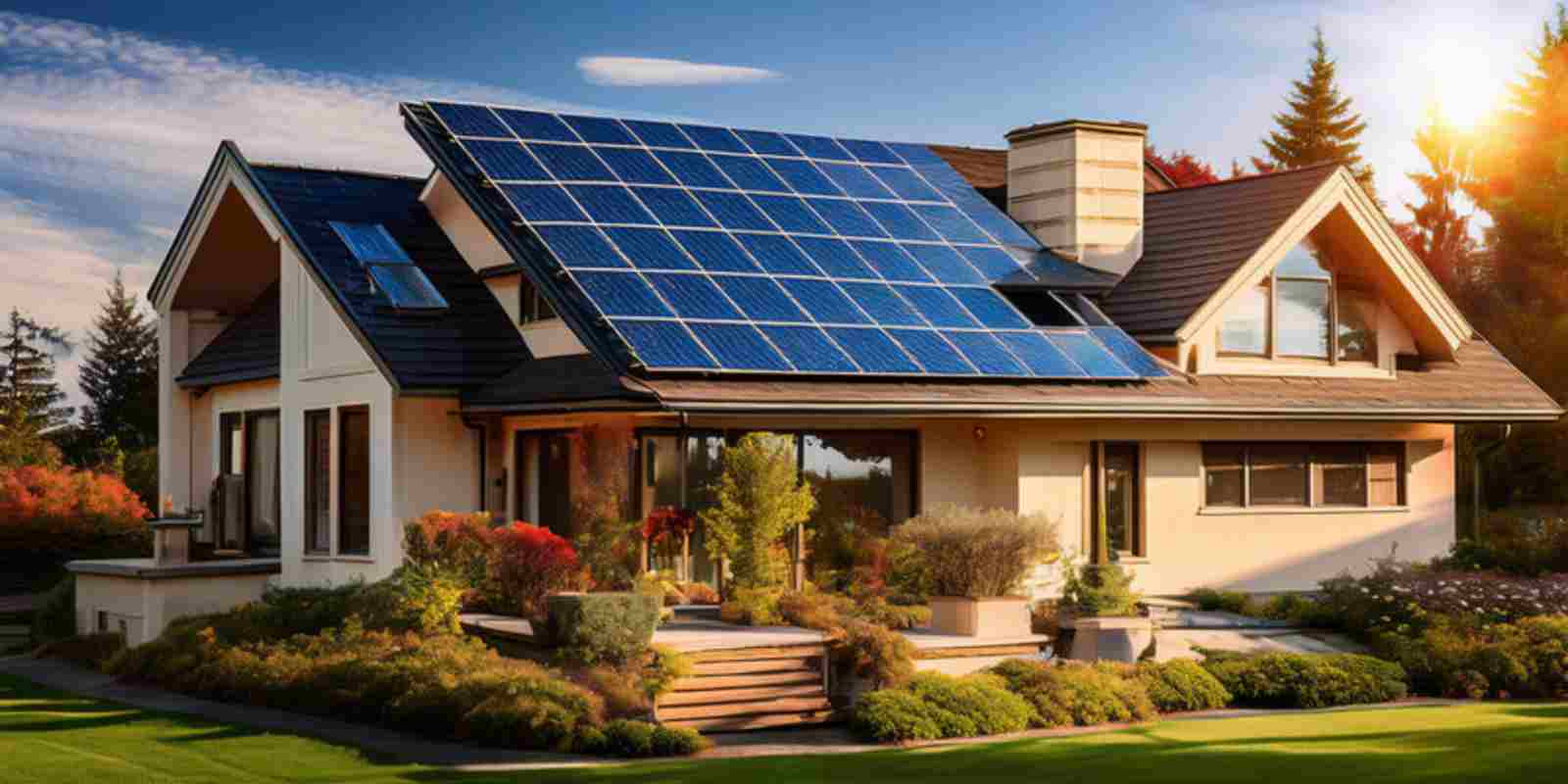
Residential solar panels help reduce energy costs in Maryland by lowering monthly electricity bills, creating opportunities for additional revenue, and giving homeowners independence from traditional energy grids.
Solar Panel Energy Savings in Maryland
In Maryland, the cost of residential electricity increased from 18.94 cents/kWh in March 2025 to 22.20 cents/kWh in March 2026. This increase can be traced to several factors, including:
- Inflation rates
- Utility infrastructure costs
- Labor and material costs
- Planned provider rate increases
- State sustainability requirements
However, the average homeowner isn’t as concerned with the reason for the increase as with the financial strain of continuing to operate their household. According to current data, residential solar panels in Maryland cost an average of $35,178 for a 13.79 kW system. Homeowners save around $2,384 per year for the 25-year lifespan of their system. This equates to an average payback period of 11 years, which is the amount of time, before incentives, that it takes for a solar panel system to pay for itself in energy savings.
Note: After incentives, many homeowners can lower their payback period to 10 years or less, depending on their energy usage and eligibility.
State Incentives for Maryland Homeowners

As one of the few states with a dedicated solar market, Maryland offers homeowners numerous opportunities to lower their payback periods and pocket their energy savings. These take the form of state incentives, which can vary from year to year. Even if you researched them in the past, this table can help you clarify which benefits are still available:
| Solar Incentive | Description | Application |
| Maryland Solar Access Program (MSAP) | Income-dependent grants for initial installation costs | FY26 applications have closed. Visit the Maryland Energy Administration for updates on FY27 applications. |
| Solar Renewable Energy Credits (SRECs) | Dedicated brokers can sell credits produced by solar installations to utility providers. | To generate SRECs, solar installations must be registered with the MD PSC after they are installed and connected to the utility provider. |
| Solar Tax Exemption | Maryland exempts homeowners from paying the 6% sales tax on new solar panels. | No application is required. |
| Solar Property Tax Exemption | Certain Maryland counties offer property tax reductions based on solar panels. | Application requirements differ by county. |
Note: The Maryland Residential Clean Energy Rebate Program stopped accepting applications in 2024.
Tips for Upgrading to Solar Panels
Homeowners upgrade to solar panels for various reasons, from reducing energy costs to pursuing personal sustainability goals. Regardless of the reason, many wonder how to optimize the solar panel installation process to make the most of their solar investment. These steps provide a framework homeowners can use to get started:
1. Review Energy Usage History
Your monthly energy bills include information on usage history, which can help you estimate the solar system size your provider will recommend. Solar installations vary in cost, partly based on size (kW output), so knowing this early can help you frame your energy needs.
Note: Solar panel systems do not have to cover 100% of your energy bills, but sizing the system can help you estimate how much power will be offset by your investment and how much will still be on-grid.
2. Conduct Your Own Site Assessment
You can conduct partial site assessments of your property before your solar provider provides an estimate. This can include inspecting your roof for access and space availability, and noting shade coverage and sun exposure. This will help you ask informed questions when you receive your provider’s assessment and system estimate, and weed out low-quality providers.
Pro Tip: Compare multiple providers before making a decision, including their online reputations and site assessments.
3. Review the Permitting and Inspection Process
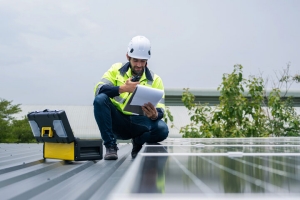
Beyond the installation process, solar panels involve permits, inspections, and utility interconnection services, which homeowners usually can’t manage on their own. Local solar providers know the requirements in Maryland and in specific counties to help make the installation process go smoothly.
Local Solar Providers Help Optimize Your Investment
At Energy Select, our team of local solar providers is approved for eligibility in the Maryland Solar Access Program and ready to help you optimize your solar investment. Our goal is to help homeowners offset their rising energy costs with sustainable energy options customized to their needs. We conduct thorough on-site solar assessments to determine the optimal orientation, system size, material type, and installation location for your property, including same-day system and installation pricing to help you make informed decisions about your energy future.
Contact our local solar panel installers today to learn more about how you can use solar panels to lower your energy bills and gain energy independence in Maryland.