
| In This Guide: Learn what to expect during a residential solar panel installation in Maryland, from consultation to activation, including incentives, timelines, permits, and inspections. |
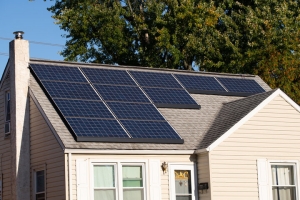
Homeowners who hope to transition to solar energy to save money on their monthly energy bills may have a long, potentially confusing road ahead. Even if the initial consultation goes well, you’ll still have to decide on a system size and design, manage inspection and permitting requirements, and oversee the final installation. Many homeowners have never dealt with these tasks before and can become overwhelmed by the decisions and coordination involved.
This guide will help homeowners make the right decisions, set realistic expectations for their energy goals, and transition to renewable energy with as little stress as possible.
Incentives for Maryland Homeowners
Homeowners in Maryland benefit from a dedicated solar carve-out, which not every state offers. This means that Maryland requires a specific portion of its energy to come from renewable sources such as solar, through the Renewable Portfolio Standard (RPS). This creates near-guaranteed demand for Solar Renewable Energy Credits (SRECs), which homeowners with eligible solar panel installations can generate and sell through a broker to earn extra income from their systems.
With utility interconnection, homeowners can take advantage of net metering, which measures power generation and tracks their credits. Your power company benefits from sustainably generated energy, so it often buys residential SRECs from dedicated solar markets. For homeowners, this means more revenue to shorten the payback period for their solar panels.
Another significant incentive is the Maryland Solar Access Program (MSAP), which offers eligible homeowners a share of state funds to pay for their new solar panels. While 2026 funds have already been allocated, the FY27 program is scheduled to go live in the summer.
Check the Maryland Energy Administration (MEA) website for eligibility requirements and updates on the applications.
Note: Maryland homeowners also enjoy a sales tax exemption on solar panel installations, reducing the real-world cost of their solar setup by 6%.
Solar Panel Installation Process
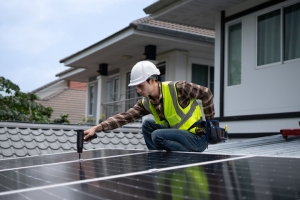
The solar panel installation process can differ for individuals, but this step-by-step guide can clarify the basic process to help you make good decisions and set realistic expectations:
1. Choose a Solar Provider
Maryland has many solar providers to choose from, but the MEA narrows the selection to its MSAP-participating contractors, which can be viewed here. When reviewing online reputations of solar installers near you to make a shortlist, consider this list of questions to help narrow down your options even further:
- Do you provide same-day price assessments?
- Do you outsource the installation process?
- What is your warranty process?
- How long have you been installing residential solar?
- What can you tell me about system performance?
This is the team you’ll coordinate with throughout the process, so it’s important to get a feel for how they communicate and to review all contracts, warranties, and financial documents before choosing your provider.
2. Home Site Assessment
A home site assessment gives your provider the information they need to design and price your ideal solar system. This process involves:
- Assessing the roof’s age and condition, which can exclude some types of solar panels or require repairs before installation
- Choosing an ideal orientation based on the sun exposure, shade coverage, neighboring structures, and roof layout
- Reviewing energy usage to determine future needs and seasonal patterns
- Confirming meter setup for eligibility
- Checking the attic structure, including rafters, roof framing, and attic access, to make sure the system can be properly accessed and maintained
- Reviewing HOA requirements and other permitting restrictions
- Creating the system design and cost plan
Experienced solar providers can offer same-day pricing for solar assessments to make sure homeowners have the information they need to make a decision as soon as possible.
3. System Design & Contract Approval
Once you decide to hire a solar installer, the final design and contract approval process will allow you to approve the exact system layout, size, and cost, as well as the warranty and financing terms. You can also review potential incentives with your provider based on your eligibility.
Once approved, the permits and utility paperwork can move forward, and the installation can proceed as planned. While the installation process daunts many homeowners, it’s a small part of the logistics of acquiring solar panels and often takes as little as 1-3 days. The more difficult process is finding a provider and choosing the right system, which is why a local team with experience in your area can be so valuable when you’re settling on the right home solar setup for your situation.
Local Solar Providers Can Explain the Process

At Energy Select, our experienced team of inspectors and installers can answer any questions you still have. We conduct thorough site assessments that include system design evaluations and same-day pricing to make sure you understand the incentives available to you, set realistic expectations, and install a solar panel system that aligns with your goals.
Contact our team today to learn more about solar panels in your area and how an experienced site assessment can be your first step toward energy independence in Maryland.