

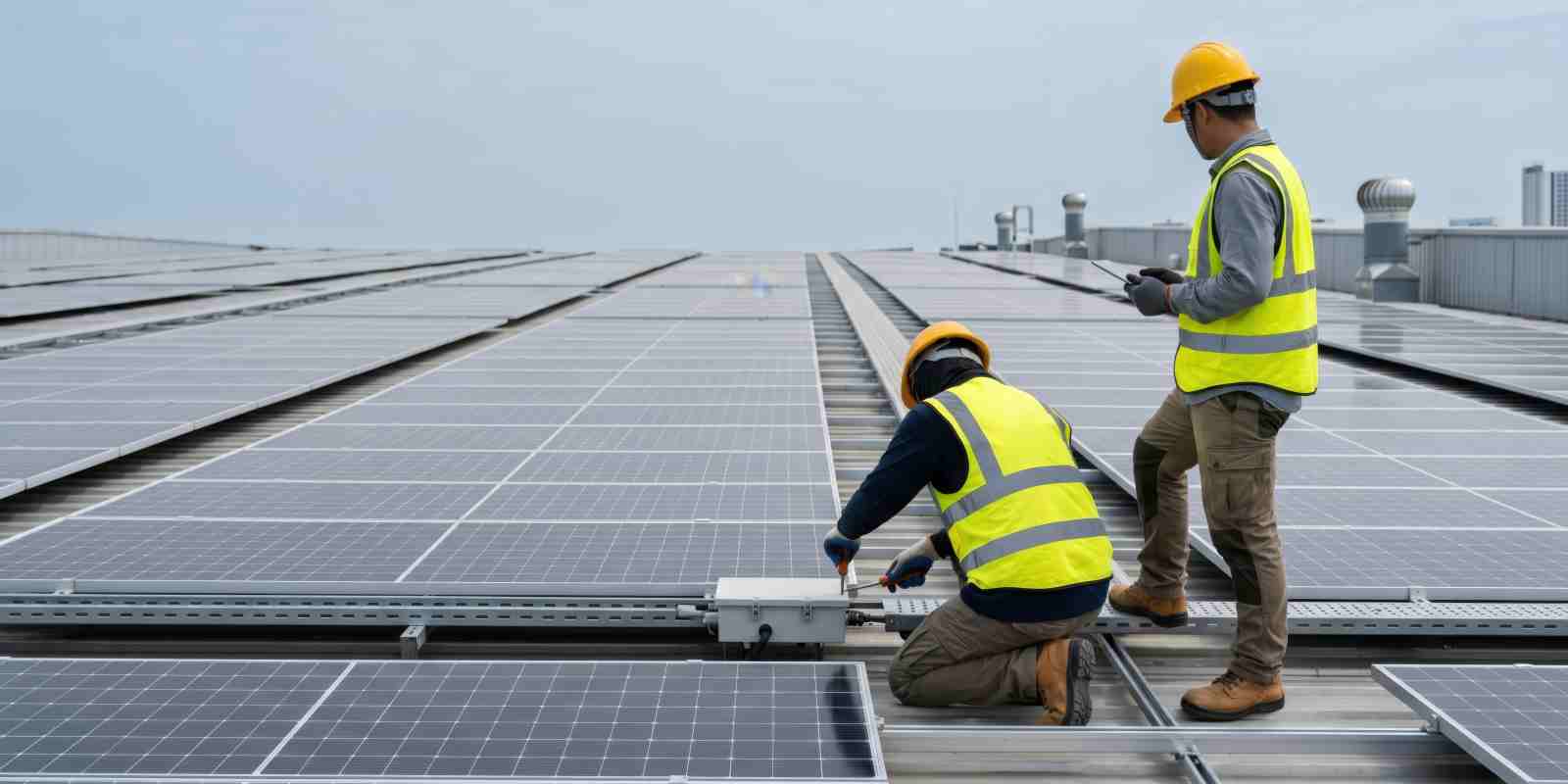
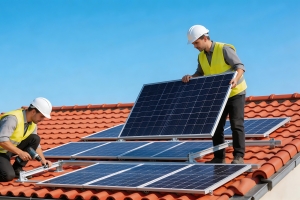
If you’re one of the many Maryland homeowners considering an investment in solar power, one of the first questions you likely want to have answered is how long the installation will take. The exact answer depends on multiple factors, including your property’s layout, permitting requirements, the utility approval process, inspections, and financing options. The physical installation can usually be completed in a few days. Still, the entire process from start to finish can take weeks or even months, depending on the schedules of the various parties involved.
1. The Solar Consultation
After choosing a provider based on their local experience, certifications, and pricing, your solar installers will familiarize themselves with your property, electricity usage history, and energy goals. Maybe you want to maximize energy savings regardless of the upfront cost, or maybe your main priority is adding battery storage capacity. Regardless of your specific needs, experienced installers ask and answer questions during this initial consultation to begin preparing your installation plan.
Realistic Timeframe: The initial consultation can take a few days or up to a week to schedule, depending on the provider’s availability.
2. Site Assessment
After the initial consultation, the provider will conduct an on-site assessment of your property. This includes reviewing your property’s structure, checking the electrical systems and roof access, and reviewing the sun and shade coverage on your roof. The assessment allows the provider to plan an optimized solar panel installation for your needs and property limitations.
For example, roofs with less available space or more difficult access may benefit from smaller, lighter systems. Experienced providers can also offer solar panel pricing information on the same day as their on-site assessment. Ask your provider during your initial consultation how long it will take to get the final price after the assessment.
Realistic Timeframe: Scheduling and finishing the assessment can take 1 to 2 weeks from the initial consultation.
3. System Design
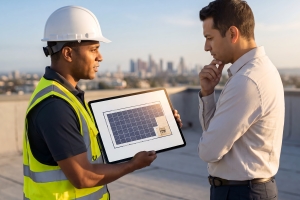
During this step, your team will design the best system for your property and energy goals based on several factors, including:
- The number of panels you need
- Where the array will be placed
- How the array should be oriented
- The installation equipment they will need
- The weight limit of the roof
Up to this point, you may have been working with your provider for 2-4 weeks before finalizing the design and confirming the upfront cost and payback timeline for the new system.
Realistic Timeframe: Expect another 1 to 2 weeks for the system design to be completed.
4. The Permitting Process
Before a residential or commercial solar system can be installed, it must be approved by the local governing authority, usually a building department or permitting office. The building, electrical, zoning, and fire safety permits required for the property may be different from those required in another area.
Though home and business owners often lack extensive knowledge of forms and filing procedures, experienced solar installers should handle this process in-house. This is one of the main advantages of using a local installer, who will be familiar with the permitting process in your area and experienced in communicating with local building authorities.
Realistic Timeframe: This timeframe varies widely depending on your area’s requirements and the current workload at your local permitting office. This step can realistically take 2 to 6 weeks.
5. Utility Interconnection
Utility interconnection first requires the utility company to review your project and approve the planned solar panel installation. If they deem the system design safe, they will approve the project.
Realistic Timeframe: The timeframe varies widely depending on the utility provider’s processes and schedules. Approval can take anywhere from 2 to 8 weeks.
6. Installation and Inspection
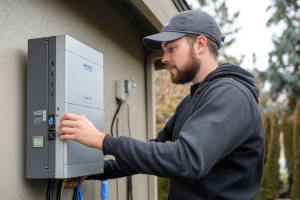
The installation itself is rarely a significant portion of the total installation timeline, usually taking 1-3 days to complete. After placing the panels and connecting the electrical equipment, your installer will prepare for the inspection, which will be conducted within the next few days or weeks.
Realistic Timeframe: The process of installing and inspecting the new solar panels typically takes 1 to 2 weeks, though this can vary depending on the inspector’s schedule.
7. Permission to Operate
The last step is receiving the permission to operate (PTO) from the utility provider. Once the inspector confirms the installation is safe, the utility company will need to come out and approve the final connection to the grid. Once done, the system will be activated, and the solar panels will start generating power.
Realistic Timeframe: Depending on the utility provider’s schedule, this can take 1 to 4 weeks after the final inspection.
Local Solar Panel Providers Help Optimize the Installation Process
At Energy Select, our team of local solar installers works to make sure your solar panel installation is as efficient as possible. This includes the initial on-site assessment and consultation, the permitting process, and the final utility approval and activation. Our team knows the permitting and building requirements in Maryland, and we’re prepared to answer any questions you have about the process from start to finish.
Contact our team today to learn how long your solar panel installation may take and how our team can assist you. We offer same-day solar panel pricing to help you make the right decision for your budget and energy goals.