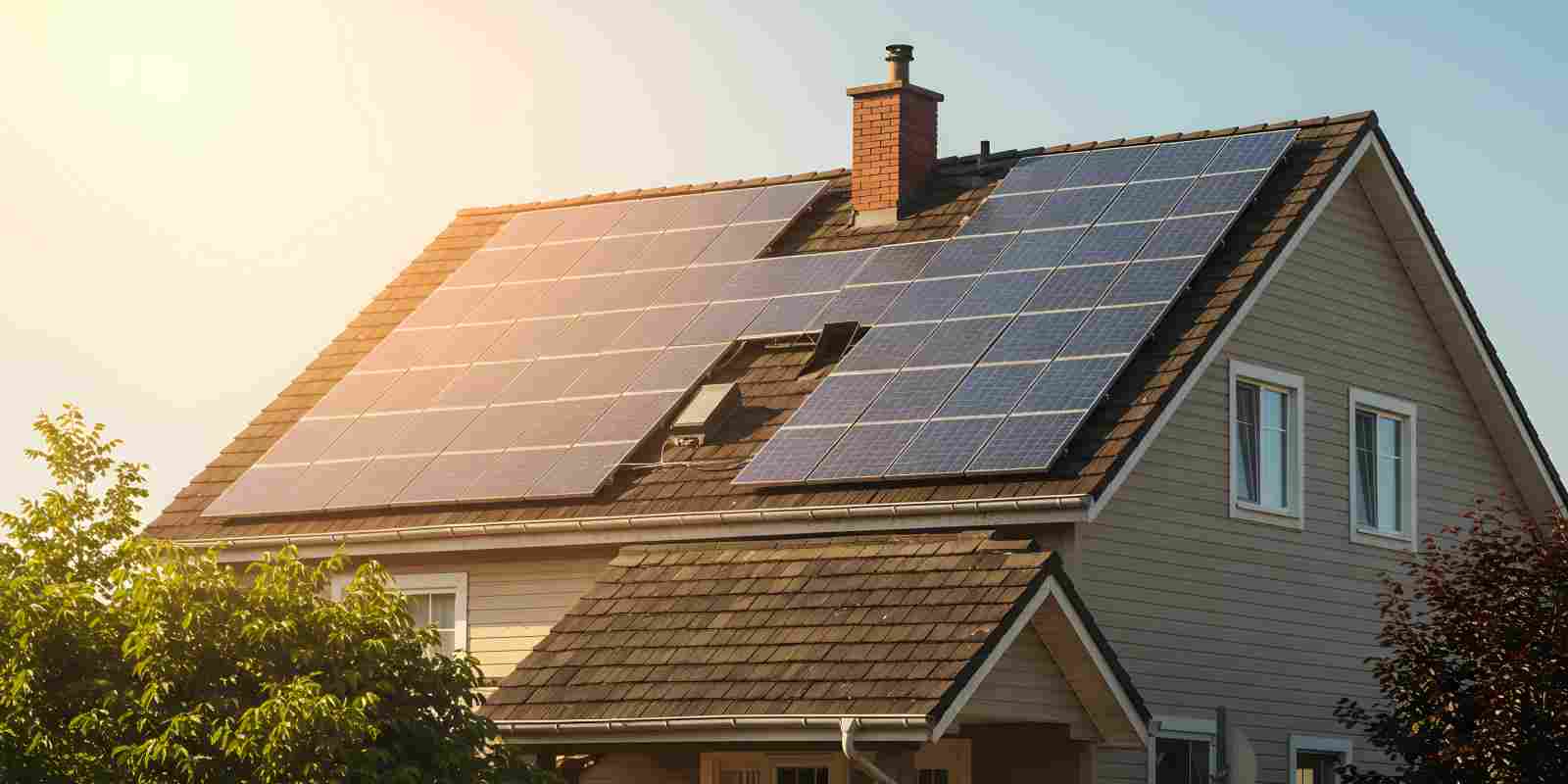
| Review the challenge of compatibility in residential solar panels, including what works, what to watch for, how homeowners can prepare before their installation, and how to maximize solar on any Maryland roof type. |
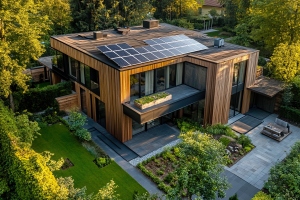
Homeowners consider installing residential solar panels for many reasons, including potential energy savings, environmental benefits, and financial incentives. When planning a solar upgrade, the conversation often includes pricing, system size and location, and potential energy savings. However, homeowners often neglect to check whether their roof can support the installation’s size and weight in the first place, or whether their property has sufficient access for installation and maintenance.
Local solar installers can provide detailed site estimates to make sure your roof is structurally suitable for the planned solar system, or recommend next steps if it isn’t. The important part is getting a plan customized to the exact needs of your individual property, rather than relying on second-hand observations or guesswork to determine your next steps.
How Do Roofing Materials Impact Solar Panel Viability?
Many common roof types support solar installations, including asphalt shingles, slate, clay tile, metal, and more. Each material may require a different mounting approach, but experienced installers can develop an effective installation plan for many materials.
Older roofs, or those with external structures such as chimneys and skylights, may require strategic planning, but your provider can assess the situation on a case-by-case basis. They will consider how the materials and structures affect not only the installation’s weight and size but also the installation process. For example, standard asphalt shingle roofs may allow for a simple installation process, while tile roofs can crack or slide when handled improperly. Standing-seam metal roofs may not require penetrations, while flat roofs may require additional racking or ballast.
Essential Takeaway: Your roof’s compatibility with solar panels may not be evident without a detailed on-site assessment from an experienced provider. Skilled installers can explain how your roof’s orientation, material, and condition can affect both the installation process and your solar panels’ effectiveness.
Does Roof Condition Impact Solar Eligibility?
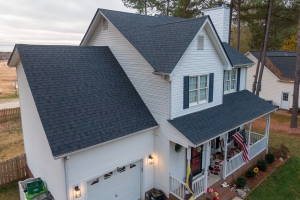
Regardless of the roof’s material construction, the full inspection may reveal a need for repairs before the solar installation process can begin. Especially for heritage property owners, the repair step is essential to avoiding a complicated installation and lowering future maintenance costs. If the roof needs to be replaced soon, your installer may suggest postponing installation until after the roof is replaced.
During their roof condition review, the solar professional will look for both clear and non-obvious signs of roof wear. Anything that could impact the stability of the solar panels will be taken into account, including:
- Weakened decking
- Underlayment damage
- Old or worn sealant
- Cracked tiles
- Missing asphalt shingles
- Metal panel rust
- Pest damage
The repairs could be simple enough to be handled by the installer or a trusted contractor. However, they may also warrant a full roof replacement. Additionally, your installer will inspect the roof access to assess installation difficulty and whether the property’s layout could affect future maintenance.
How Homeowners Can Prepare Their Properties for Solar Installations
The first thing that homeowners preparing for a new solar investment should check is their roof’s condition. If you notice obvious signs of damage, such as missing shingles, cracked tiles, or rust, you may want to repair or replace the roof first.
However, on-site solar assessments can help you understand where you are in the process and what you need to do. Experienced installers can examine the roof and any signs of damage based on their knowledge of solar panel installation and maintenance. Before they arrive, gather your past utility bills, HOA requirements, and any future home improvement or remodeling plans to show. The more information your installers have, the better they can optimize their solar proposal for your current and future energy needs.
Note: Easy roof access is essential to the assessment, installation, and maintenance processes. Before the installers arrive, make sure they have clear access. If this isn’t possible, they may recommend a different installation process or a ground-based system to avoid future difficulties.
Consult Local Solar Installers To Learn About Your Property’s Eligibility
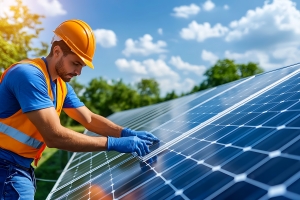
At Energy Select, our experienced team conducts detailed property assessments to help homeowners determine their roof’s eligibility for solar panels, prepare the necessary documentation, and sign off on a solar energy investment that makes sense for their situation. Our team offers same-day system pricing information to make sure you know the cost, potential savings, and maintenance schedule from the start.
Contact our team to learn more about residential solar panels in Maryland and how our team can help you choose the right material, size, mounting type, and more for your property.