
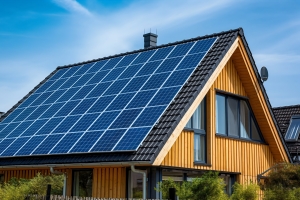
Your solar panels can continue producing electricity even after the company that installed them closes. However, losing your installer can complicate warranty claims, equipment repairs, and system monitoring.
Major providers have encountered financial difficulties, including SunPower’s bankruptcy filing in August 2024 and Sunnova’s bankruptcy filing in June 2025. Maryland homeowners whose solar company went out of business still have options for maintaining their equipment and addressing performance problems.
Determine Which Solar Warranties Still Apply
Solar systems generally have separate warranties covering equipment and installation workmanship. The distinction determines whom you’ll contact when something fails. Manufacturer warranties cover eligible defects in solar panels, inverters, and other components.
These agreements typically remain valid after an installer closes because the equipment manufacturer provides the coverage. Homeowners can contact equipment manufacturers directly to investigate warranty coverage. You’ll generally need the equipment model, serial number, and proof of purchase.
Workmanship warranties cover problems related to installation, such as faulty wiring, improper mounting, or roof penetrations. Since the installer typically provides this protection, bankruptcy can make workmanship warranty claims difficult to pursue.
Third-party warranty coverage may offer another option. Review your original contract for any separate warranty administrator or insurance provider.
Understand Your Solar Financing Obligations After an Installer Closes
A solar company’s bankruptcy generally doesn’t eliminate your existing obligation to make payments. The financing arrangement determines who receives payments and who handles ongoing responsibilities.
- Solar loans. Homeowners typically continue paying their lender, even when the installation company closes. Contact your financing institution to confirm payment instructions and account details.
- Solar leases. A lease provider or successor company may continue administering your agreement. Review your contract to identify who handles maintenance and equipment ownership.
- Power purchase agreements (PPAs). Instead of owning the equipment themselves, homeowners generally purchase the electricity it generates from the company that owns it.
- Contract administration and service responsibilities may transfer to another organization.
Homeowners should review their financing agreements and identify the parties responsible for ongoing obligations before making changes to their accounts. Continue making required payments unless your lender or contract administrator provides verified instructions otherwise.
Restore Access to Solar Monitoring
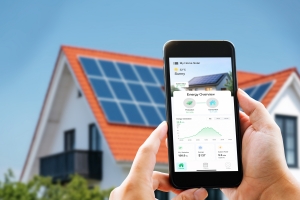
A solar monitoring app that stops updating doesn’t necessarily indicate equipment failure. Monitoring platforms depend on communication between the inverter, internet connection, and software provider.
Start by checking whether your inverter displays normal operating information. Review your internet connection and look for communication errors in the monitoring application.
Many systems use manufacturer-operated platforms, which may remain available after the installer closes. Homeowners can contact their equipment manufacturer about restoring monitoring access or transferring account ownership. If monitoring remains unavailable, a technician can inspect the inverter, communication equipment, and system performance.
Gather Your Solar System Records
Documentation helps a new service provider identify your equipment and evaluate existing warranty coverage. Take the time to collect the following records:
- Original installation contract and workmanship warranty
- Solar panel and inverter manufacturer information
- Equipment serial numbers and product warranties
- Financing, lease, or PPA agreements
- Installation permits, inspection records, and electrical diagrams
- Monitoring credentials and historical production reports
Contact your former installer’s bankruptcy administrator or any announced successor company to determine whether another organization has assumed service responsibilities. Before hiring a contractor, Maryland residents can consult the Maryland Home Improvement Commission to confirm licensing credentials and explore information about the commission’s Guaranty Fund. Eligible homeowners may qualify for compensation for certain losses involving licensed contractors, although bankruptcy alone doesn’t establish eligibility.
Find a Company to Service Your Existing Solar Panels
An orphaned solar system is one that no longer has access to service from the company responsible for its original installation. Homeowners can hire another solar company to inspect equipment, diagnose faults, and perform eligible repairs. Before scheduling work, confirm that the provider services existing installations and supports your equipment manufacturer.
A solar maintenance inspection may include inverter diagnostics, electrical connection testing, mounting hardware evaluation, and production analysis. The National Laboratory of the Rockies (NLR), Sandia, and SunSpec operations and maintenance guidelines identify equipment inspections and performance monitoring as established maintenance practices.
Keep Your Solar Panels Operating with Energy Select

Losing your original installer shouldn’t prevent you from addressing equipment problems or maintaining your solar investment. Energy Select serves Maryland homeowners with solar operations and maintenance services, providing a local point of contact for existing system concerns. If your solar installer went out of business, request a quote from Energy Select to discuss your equipment, service history, and available maintenance options.