

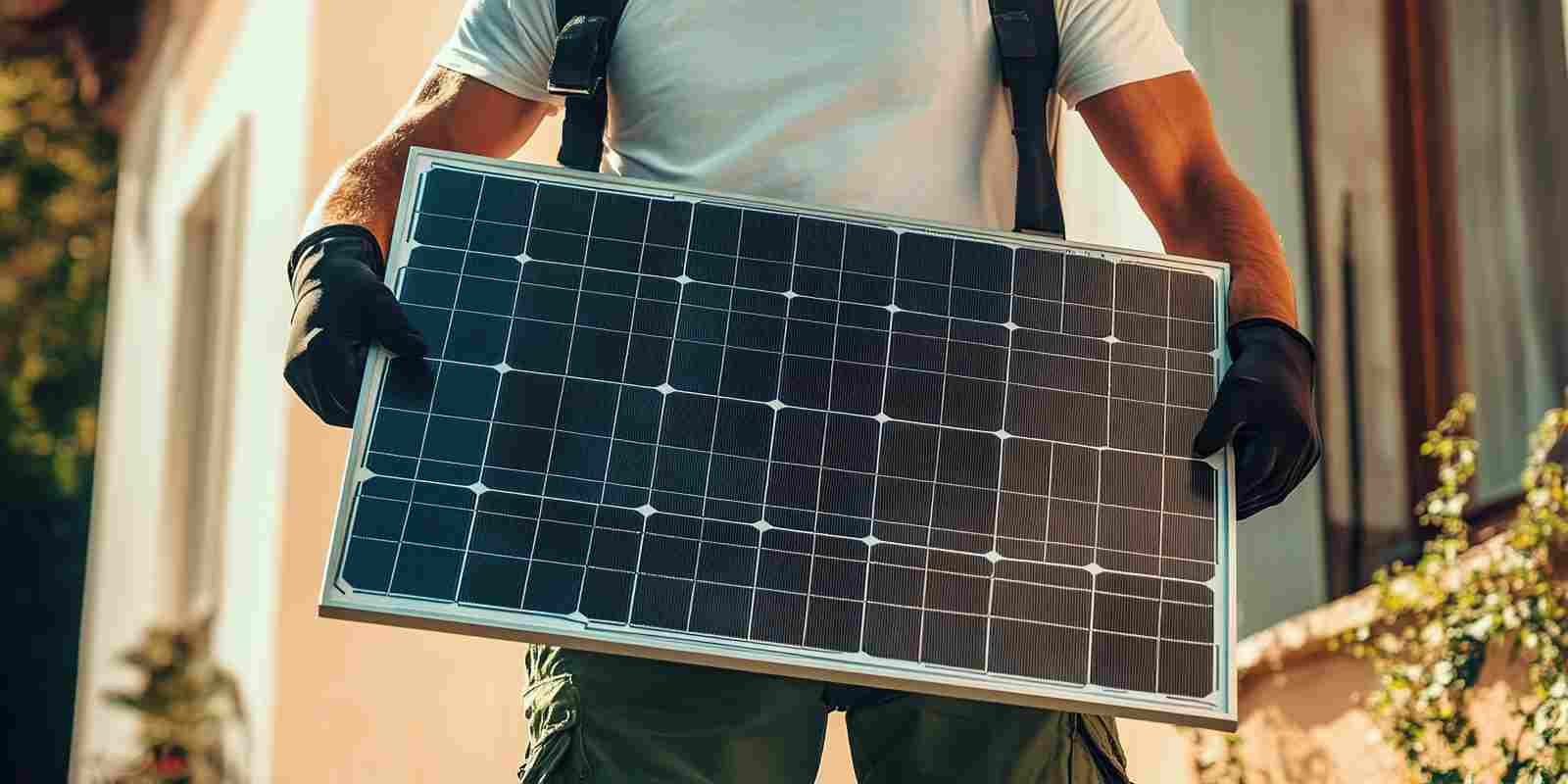
Can you take solar panels when you move? Moving doesn’t necessarily mean leaving your solar panels behind. Homeowners who own their systems can generally relocate them, although removal expenses, roof compatibility, and utility requirements may make the process impractical. Determining whether your panels come with you involves evaluating the equipment, your new property, and the financial benefits of keeping your existing installation.
How Solar Panel Removal and Reinstallation Works
Moving solar panels to a new house requires professional electrical work and careful handling of the equipment. Panels must be disconnected, detached from their mounting systems, transported, and installed at the destination. You will need:
- System evaluation. Technicians inspect the existing equipment, mounting hardware, and electrical connections to determine which components can be reused.
- Removal and transportation. Installers disconnect the system, remove the panels and mounting equipment, and prepare reusable components for transportation.
- New roof preparation. The installation team evaluates the roof and determines the mounting layout, attachment requirements, and electrical modifications.
- Reinstallation and inspection. Technicians install the equipment, complete electrical connections, and coordinate required inspections before operation resumes.
Solar panel removal costs vary according to system size, roof accessibility, labor requirements, and transportation distance. New mounting hardware, electrical upgrades, and roof repairs can increase the total.
Your New Home Must Support the Existing System
A solar installation that performs well on your current roof may produce less electricity at another property. Roof orientation, pitch, available space, and shading influence solar production. A south-facing roof with minimal obstructions generally offers favorable conditions in Maryland, although east- and west-facing installations can also perform effectively.
Roof condition deserves attention before reinstalling solar panels on a new roof. Installing equipment on aging shingles could require another removal project when the roof needs replacement.
Electricity consumption may differ between properties, too. A larger home, electric heating system, or additional electric vehicle could increase demand beyond your existing system’s capacity.
Maryland Permits and Utility Approval
Relocating solar panels requires a new review of the installation at its destination. Approval from your previous utility doesn’t automatically transfer to another address. Maryland’s interconnection regulations outline the process for connecting eligible residential solar systems to the grid. Under Maryland’s Level 1 interconnection regulations, qualifying applications follow specified utility review procedures and timelines.
Potomac Edison’s Maryland interconnection requirements prohibit energizing a system before the required inspection and signed Certificate of Completion. Local building and electrical permits may be necessary. Homeowners should account for these approval steps when scheduling their move because the relocated system cannot immediately resume normal operation.
Moving Solar Panels Can Affect Warranties
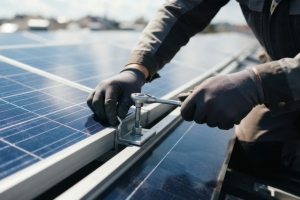
Solar equipment typically carries manufacturer warranties, while installation workmanship may have separate coverage. Removing panels can introduce risks that existing warranties don’t cover. Transportation damage, altered mounting configurations, and work performed during relocation may affect warranty coverage under the applicable agreements.
Review warranty documents before scheduling removal. Ask the original installer and equipment manufacturers which protections remain valid after relocation. Older equipment may also require replacement components that are difficult to obtain, increasing the expense of reinstallation.
Ownership and Financing Can Limit Your Options
Homeowners who own their solar panels outright generally have greater flexibility when relocating equipment, provided the panels aren’t included in the property sale agreement. Moving with leased solar panels requires reviewing the contract first. A leasing company typically owns the equipment, and the agreement may restrict removal or require approval for relocation.
Financed systems present different obligations. Outstanding loan balances, liens, and financing terms can affect the sale or removal process. Fannie Mae distinguishes borrower-owned, financed, and third-party-owned solar installations when evaluating real estate transactions.
Leaving Your Panels or Installing a New System
Selling a house with solar panels may be financially preferable to relocating them. An owned system can appeal to buyers interested in generating electricity on-site, although any effect on the sale price depends on the property and transaction.
Leaving the equipment also eliminates relocation expenses. Buyers should gather accurate information about solar system ownership, warranty documentation, and available system performance records.
A new installation offers another option. Modern equipment may provide improved production capabilities, and the system can be sized for the next property’s electricity consumption. Compare the complete relocation estimate against the price of a new installation, accounting for remaining equipment life and expected energy production.
Discuss Your Solar Relocation with Energy Select
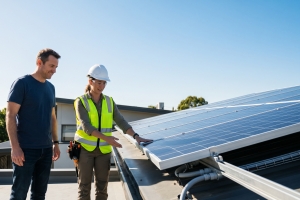
Energy Select helps Maryland homeowners evaluate existing solar equipment and determine whether relocation is practical. Our team provides removal and reinstallation services and can assess the installation requirements at your next property.
Schedule a consultation with Energy Select to discuss your solar panels, review the potential expenses, and determine whether relocating your system or installing new equipment makes better financial sense.