What You Will Learn: In this guide, Maryland residents will gain knowledge of how solar panels work, including:
|
The solar power industry can be challenging to understand, especially for new homeowners or those with specific financial goals.
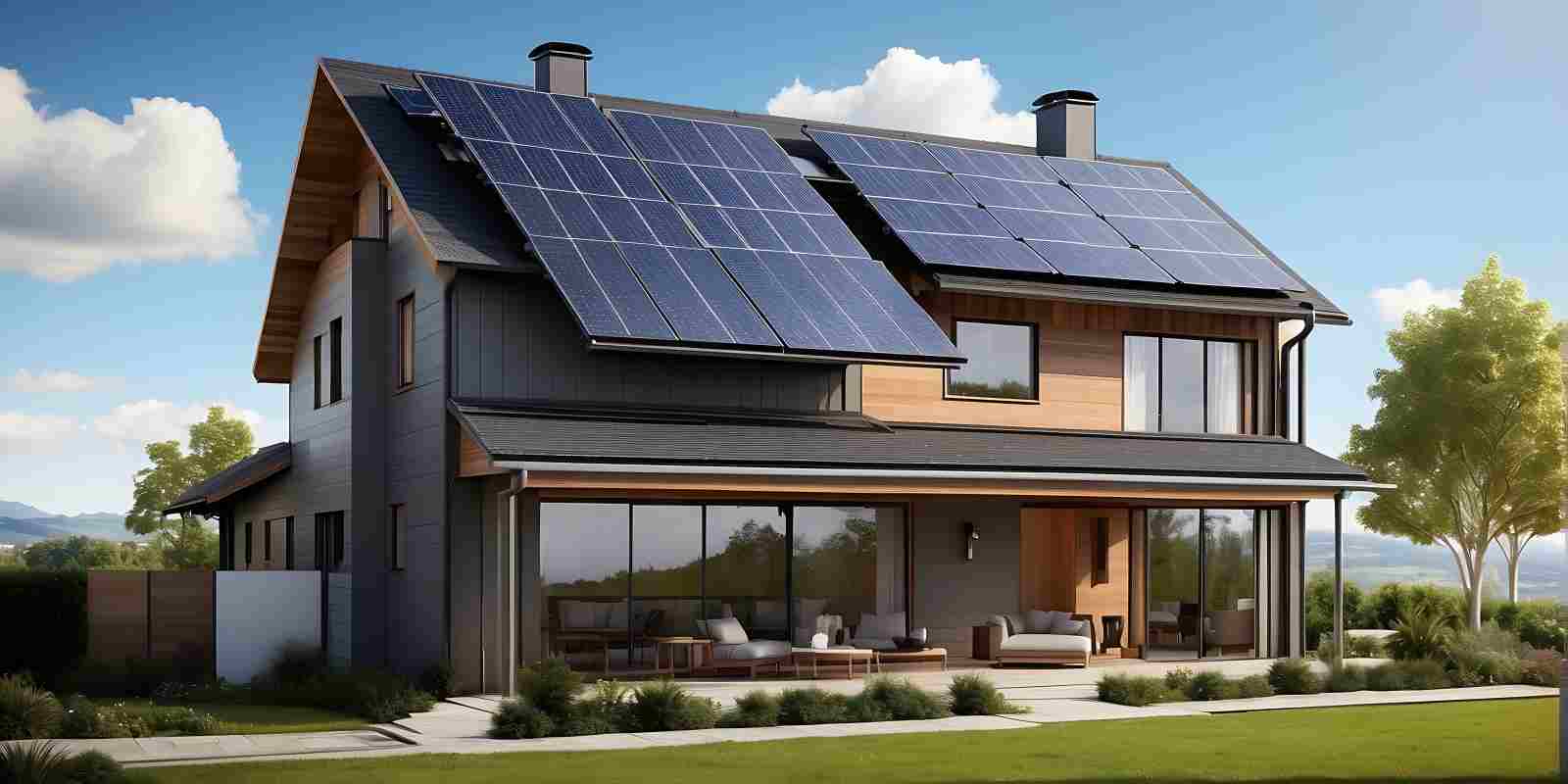
As most Maryland residents know, residential solar power has exploded in popularity over the last decade. Thousands of homeowners have recognized the benefits to their energy bills, home values, and sustainability using professionally installed solar arrays. However, some are not fully aware of how solar panels work or how to make better decisions for their household.
How Does Solar Panel Technology Work?
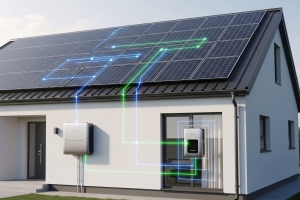
A simple explanation of how solar panels work can provide useful context for maximizing their financial benefits. Modern solar panels use photovoltaic (PV) cells to capture sunlight, convert it into direct current (DC) power, and deliver it to the grid. However, homes cannot use DC power, so an inverter is needed to convert DC to AC (alternating current), which can then power appliances, lights, and other devices.
Aside from this basic principle, the materials and configurations used in residential solar panels change their effectiveness. Solar panels are made of silicon, but there are three types that homeowners need to recognize to make an informed choice:
- Monocrystalline: Higher performance and higher cost
- Polycrystalline: Lower performance and lower cost
- Thin-film: Lower performance and higher portability
Choosing the right panel for a specific property depends on the owner’s budget, the property’s setup, and the solar provider’s assessment. For example, thin-film panels are usually cheaper in terms of materials, though they are less efficient. On properties with distinct roof structures or difficult access, they can save additional costs by making the installation easier. Heavier monocrystalline and polycrystalline panels are less flexible, more expensive, and more difficult to maintain.
Essential Takeaway
The basics of solar panel technology apply to different material types and configurations. Local solar installers conduct on-site assessments to understand the property’s needs and select an array that maximizes the owner’s solar potential.
What Are the Benefits of Solar Arrays for Maryland Homeowners?
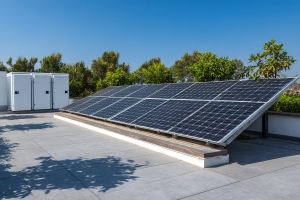
Most Maryland homeowners are aware of recent price hikes from major utility providers due to inflation, material cost increases, and planned rate increases to support new infrastructure. Regardless of the reason, many homeowners view solar installations as their best way to eliminate the financial uncertainty of relying on grid electricity.
In addition to financial savings, homeowners can also improve their energy predictability by reducing their reliance on power providers. For example, if a major storm knocks out the power in an area, solar arrays with battery backups can keep homes running, save perishable food and medicine, and maintain comfort during a difficult time.
Homeowners can also increase their home’s value by switching to solar, as recent Zillow data shows. In the Baltimore area, for example, homes with solar sell at an average premium of +7%, helping homeowners further offset their initial investment with future savings.
Fact: According to recent data, Maryland homeowners save an average of $127.66 per month by switching to solar.
What State Incentives Are Available to Help Homeowners Save?
In addition to baseline savings on utility costs, homeowners with solar arrays gain access to state-sponsored incentives based on their output, property type, and more. As discussed earlier, PV cells absorb sunlight and convert it into electricity. If the array generates excess power beyond the property’s needs, which can often happen in the summer months, that power can be stored in a battery backup to support the home’s usage during the winter.
Excess power can also be converted into Solar Renewable Energy Credits (SRECs) and sold through a broker on dedicated markets. Maryland is one of the few states with an active solar carve-out that includes an SREC market, so homeowners can save even more by taking advantage of this program to earn extra money from their solar panel installation.
Note: Winter weather can impact how efficiently a solar panel generates power, but it will never reduce its output to zero. Ask your provider how the winter months may affect your power capacity and what you can do to improve it, such as adjusting the array’s angle or trimming a nearby shade tree.
Local Installers Can Explain Your Solar Savings
Our experienced team of installers at Energy Select recognizes the difficulties of purchasing a solar panel installation in today’s economic climate. To help Maryland homeowners make an informed decision about their residential solar investment, we provide detailed on-site solar assessments that explain different materials, benefits, and incentives. We offer fast, same‑day solar quotes so you can move forward with confidence about your new home solar panels.
Contact our team today and schedule a site assessment to learn how solar panels can help you save on utility bills, increase the value of your home, and more.