
Residential solar panels help households move toward long-term sustainable living and energy independence. While the installation process can be daunting, your responsibilities as a homeowner don’t end after the team leaves. Even after the system has been installed, you will regularly review its output, check the impact of energy production on your monthly bills, and try to address problems before they become costly performance issues.
This can be overwhelming to do alone, which is why solar monitoring tools are such an important part of owning new solar panels. This article reviews monitoring tools and apps that can track real-time and historical solar panel performance, how to read the output, and how to fix signs of underperformance before they impact your monthly bills.
How Solar Monitoring Tools Work
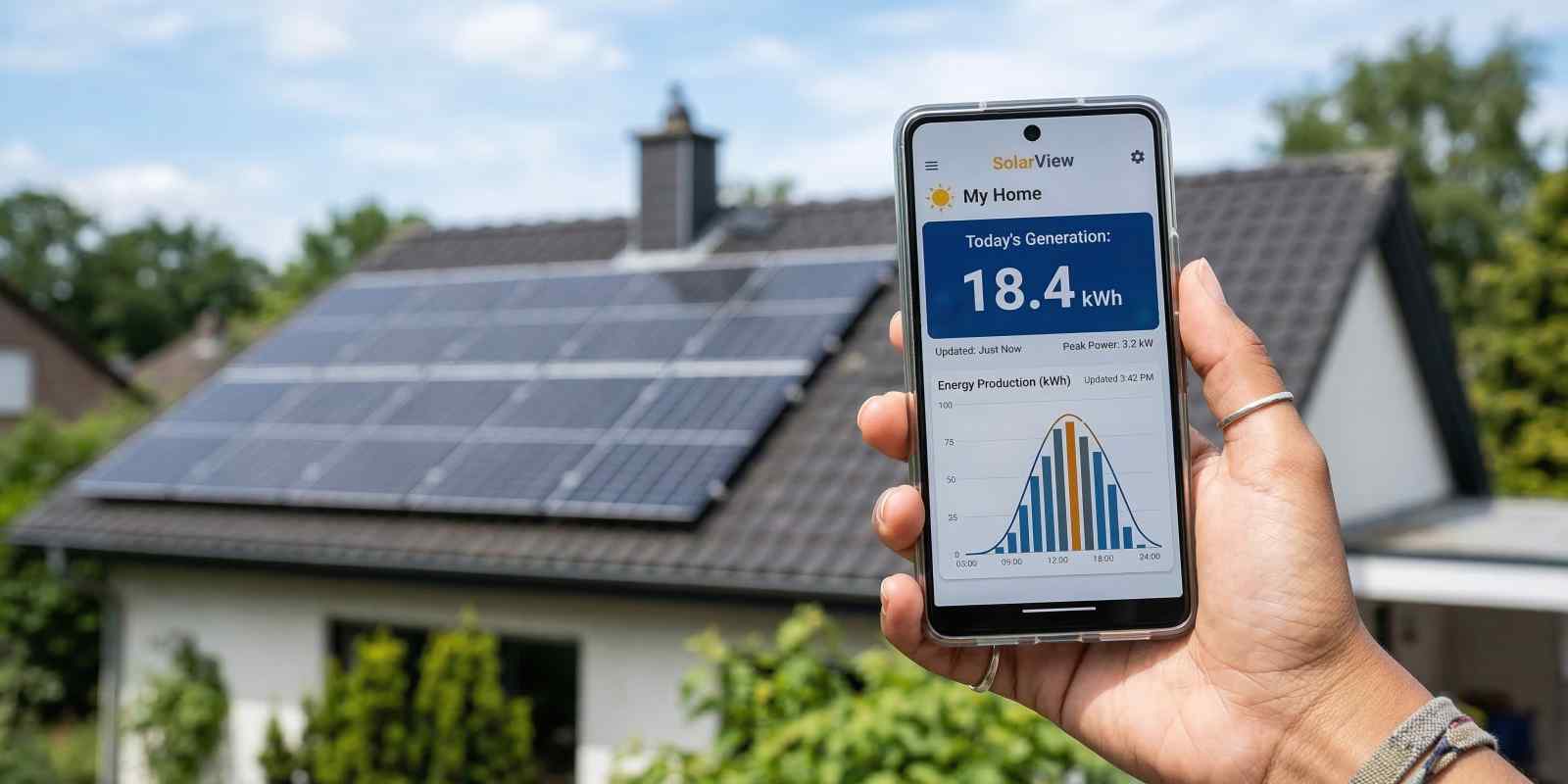
Residential solar panel systems track performance through monitoring software connected to the system’s inverters. This system collects data on your solar energy production and displays it on real-time monitoring apps or websites.
The data tracked by your solar performance monitoring app will likely include:
Live performance data: This output shows how much energy your solar panels are producing in real time. This can be useful if you want to optimize energy usage by changing your appliance habits to avoid peak usage. This also helps identify which appliances or systems are drawing the most power.
Historical performance: This tracks performance trends over time, which can help differentiate real problems from predictable trends. For example, your solar panels may produce less power during the fall compared to the summer due to differences in sun coverage. However, they should not produce significantly less this summer compared to last summer. Seeing those trends can help you spot real performance issues, even down to specific times of day when the panels don’t perform as well.
System details: This shows the system’s lifetime output, size, and energy savings. If you want to sell your home or change your financing strategy, this helps track your break-even timeline and system value compared to total energy savings.
Project status: If you have an ongoing solar project, this allows you to check its installation status with frequent updates.
Pro Tip: Tracking the raw output of a solar panel system over time is one of the best ways to gauge its performance and make informed decisions about any changes. Solar monitoring tools like real-time tracking apps help homeowners compare historical and real-time data to spot issues and track their output.
Signs of Solar Panel System Underperformance
Energy production can be impacted by many factors, including seasonal weather patterns and changing shade coverage. Some dips in output can be ignored, but others warrant closer attention. Solar monitoring apps help homeowners tell the difference by identifying real signs of a deeper performance issue, including:
Unexplained total energy production drop
- Multiple days with no recorded output
- Individual panels producing less
- Equipment alerts or specific error messages
- Delayed or failed performance data updates
- A steady decline in output, not present in past years
- Low output despite clear weather
Your dashboard may be blank without it necessarily being a problem with the array, possibly due to a temporary connection issue. However, noticing the above issues in working output data, especially more than one at the same time, may warrant contacting your solar provider for next steps.
What to Bring to Your Solar Provider
If you think the issue warrants contacting your provider, you can speed up the resolution process by providing useful information, including the date the issue started, screenshots from your app dashboard, a specific error code, or whether lights are flashing on the unit itself.
This information can help your provider conduct the necessary performance comparisons and diagnose the problem before it goes on much longer. If the issue is app-related, they may be able to fix it remotely. However, they will examine your data to determine whether an in-person maintenance visit is needed.
Local solar panel providers can offer a more efficient response due to their knowledge, experience, and proximity. If they’re familiar with Maryland’s climate conditions, for example, they may be able to explain the underperformance you noticed as a predictable seasonal change. They may also be able to perform an on-site assessment more quickly than out-of-state providers to diagnose the issue and start the necessary repair or replacement process.
Track Your Solar Panel Performance With Real-Time Monitoring Apps
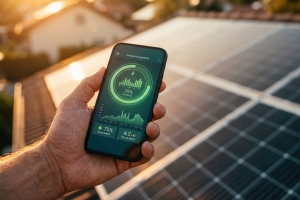
At Energy Select, our work on your solar panels does not stop after installation. Our team will help you monitor historical data and real-time energy output to notice and diagnose potential performance issues. The free myEnergy app gives you access to your energy savings and usage data to help you track and optimize your solar investment.
Get an instant estimate to learn more about the myEnergy app and other aspects of our after-sales support process. Solar panels can help you achieve energy independence, but continuous monitoring can help you keep it.