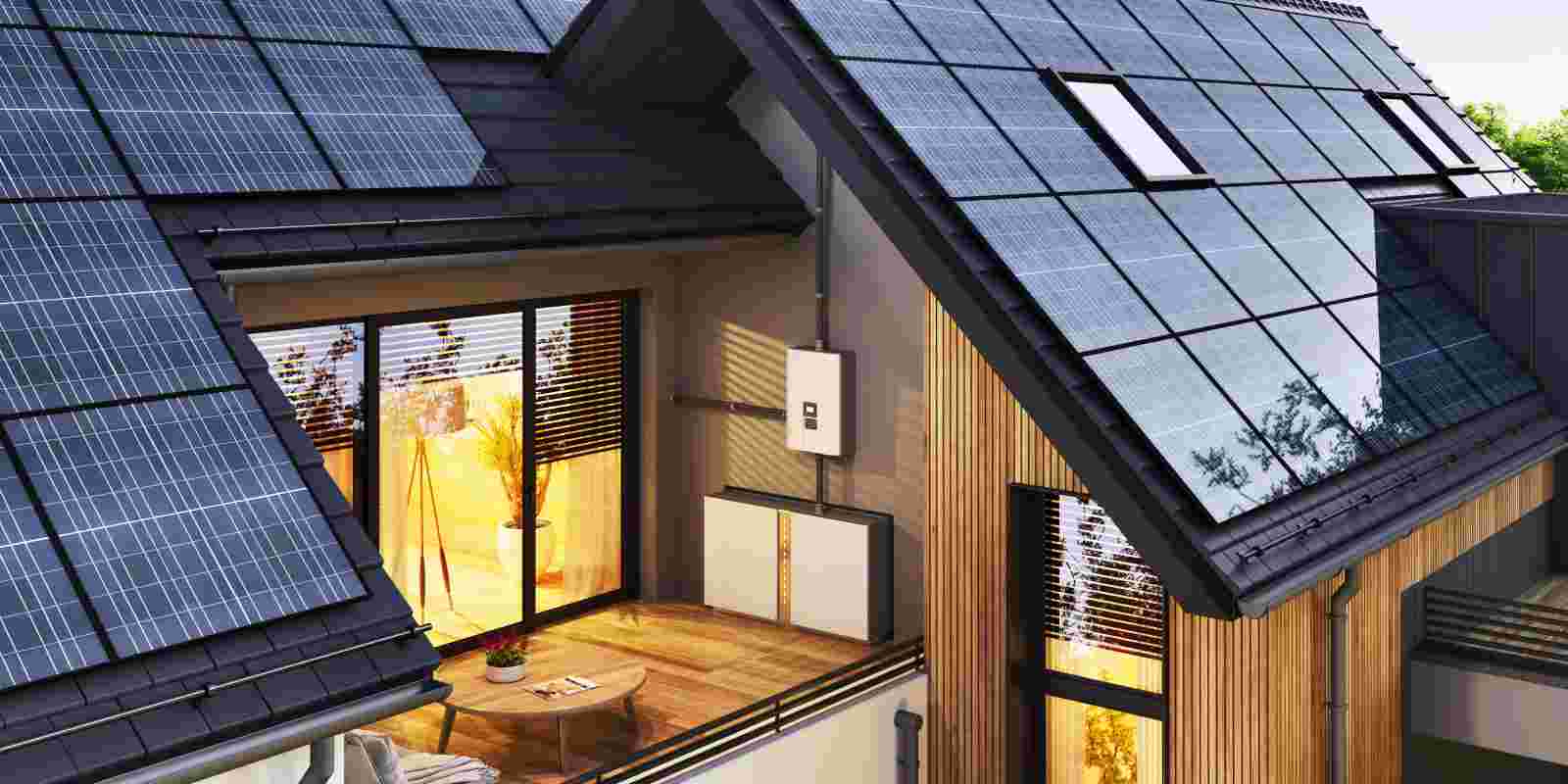

In all 50 states, homeowners are transitioning from on-grid power to some degree of solar generation. Maryland stands at the forefront of this change due to its strategic position in modern solar carve-outs, including its hands-on legislation, solar market controls, and state incentives. As a result, many Maryland neighborhoods are transitioning to solar energy to take advantage of their state’s strategic positioning. As on-grid electricity costs continue to rise due to inflation, labor, and material prices, this transition will likely continue.
Covered in This Blog:
Learn more about Maryland’s solar transition, including the factors that motivate local neighborhoods to choose renewable energy and the actions that homeowners can take to maximize the value of their solar investments.
How Expensive Is Electricity in Maryland?
In Maryland, electricity costs per homeowner average around $268 per month or $0.18 per kWh, which is below the national average. However, for a $250.00 electric bill, these costs still add up to roughly $34,000 over 10 years, factoring in a 3% increase for rising inflation and electric rates. By contrast, the savings produced by solar systems begin to outpace electricity costs around the 10-year mark, since after the initial investment, maintenance costs tend to remain stable.
These benchmarks compare on-grid electricity costs to base sustainable energy savings. They do not include the many other ways homeowners can save on their overall energy expenses by switching to solar, such as state incentives and the impact of unexpected increases in on-grid electricity costs due to material, labor, and inflation changes.
Maryland’s legislative goal is to reach net-zero carbon emissions by 2045, and to do so, it has instituted the renewable portfolio standard (RPS) to incentivize growth in solar infrastructure. Solar contributes to a steadily growing, meaningful share of Maryland’s in-state electricity generation as more neighborhoods adopt sustainable energy practices.
Essential Takeaway: Electricity costs in Maryland may not match the national average, but they will continue to fluctuate upward as economic conditions change. Solar installations give homeowners access to the same benefits that many state and commercial organizations use to incentivize strategic energy growth and counteract rising costs.
What Incentives Can Homeowners Use to Lower Costs?
Maryland provides homeowners with numerous incentives to reduce energy costs beyond the initial savings, which is another reason so many neighborhoods are transitioning to sustainable energy. Two such incentives are the Maryland Solar Access Program (MSAP) and the solar renewable energy credit (SREC) market.
What Is the Maryland Solar Access Program?
The Maryland Solar Access Program (MSAP) is a state-funded grant program that helps Maryland homeowners pay for their solar arrays. The arrays must meet certain size and location criteria, and all funding is available on a first-come, first-served basis.
The MSAP replaced other state-funded programs. This simplification, combined with the growing prevalence of solar transitions, means that homeowners must be more proactive about their applications. According to the Maryland Energy Administration, as of March 10, 2026, 89% of the available funding has already been requested for this year.
Note: After federal tax incentive changes under The Big Beautiful Bill (TBBB), the MSAP is more significant than ever for Maryland homeowners hoping to save on their solar arrays. Homeowners planning to install eligible solar systems can begin preparing for their FY27 applications by coordinating with MSAP-participating contractors listed here.
What Is the Solar Renewable Energy Credit Market?
As utility providers aim to meet their quotas for the Renewable Portfolio Standard, they require sources of eligible solar power generation to offset on-grid services. Homeowners can provide them with their solar arrays, provided they meet certain standards, by producing SRECs. This opens opportunities for homeowners and neighborhood leaders to maximize their solar savings by contributing to their state’s sustainability goals.
An SREC in Maryland is equivalent to 1 mWh of power, generated and sold as a certificate on a dedicated SREC market. The current value of 1 SREC fluctuates with supply and demand, but it is supported by state programs such as the Brighter Tomorrow Act.
Homeowners do not have to track the market and manage their credits. Instead, they can rely on dedicated solar credit brokers to maximize their savings. Maryland neighborhoods often transition to solar power to gain access to these savings, which can accelerate the break-even points on their investments. For example, the latest SREC bid from 2025 valued 1 SREC at $53.25. At that price, 1 SREC per month would save homeowners $639 per year and $6,390 over 10 years, toward paying off their initial investment.
Note: Only 8 states and territories in the U.S. have an active solar credit market, including Maryland, giving homeowners and neighborhoods even more incentive to take advantage of their state’s benefits and use their solar arrays to generate savings.
Local Solar Installers Help Maryland Neighborhoods Save
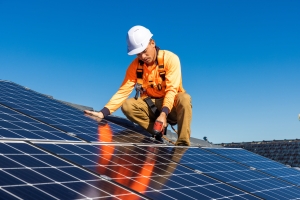
At Energy Select, our team of local Maryland installers helps homeowners and neighborhoods save on their solar installations. Our goal is to create a customized plan for each home that maximizes its layout, captures every eligible incentive, and begins reducing monthly energy costs as soon as possible. We are an MSAP-participating installer that offers same-day pricing quotes after a solar site assessment, giving property owners the best chance to plan for their energy futures today.
Contact our team today to learn more about solar incentives, benefits, and installations in your area and start saving on your energy bills.